NFT 是什么,以及 NFT 艺术家的崛起
2025 年 11 月,Beeple 在巴塞尔艺术展展出作品 Regular Animas“常规动物”,并在现场免费赠送了同名 NFT,根据二级市场价格,这些送出的作品中多幅单价超过 10 ETH,即便价格已经回落,目前仍保持在 2 ETH 左右,约 6000 美金。
对于一个想从 0 进入 NFT 世界的插画师、设计师或者生成艺术创作者来说,想要达到 Beeple 的水平和地位并不容易,但如果想要探索一个新的领域和可能,本文将带你了解最核心的 NFT 艺术家和趋势。
在深入探讨如何进阶之前,我们必须先理解这个改变游戏规则的底层逻辑。
简单来说,NFT(Non-Fungible Token) 是一种在区块链上创建的“数字资产”,相比于玩家在《Candy Crush》里购买的糖果,或者《Call of Duty》里购买的枪械等数字资产,NFT 具有以下特征:
- 非同质化:每一枚代币都是独一无二的,不可等价替换。
- 链上所有权:你的作品通过智能合约与你的钱包绑定。
- 可验证稀缺性:虽然任何人都能右键保存图片,但只有持有 NFT 的人拥有被全网公认的“正版所有权”。
NFT 的应用极广,它的类型可以是艺术作品、动画、照片,也可以是电影片段、诗歌、音乐、3D 文件,甚至会员卡或门票等功能性资产,但本指南将重点聚焦于“艺术类 NFT”——即以审美价值、表达主张和收藏意义为核心的视觉作品。
而 NFT 艺术家,简单说就是那些利用区块链技术进行作品铸造(Mint)、发行与运营的创意工作者群体,只要将作品的所有权由链上 NFT 表征,创作者便踏入了这一领域,NFT 的去中心化世界里,艺术家与藏家之间没有中介,也意味着他们必须更频繁地与区块链平台、智能合约打交道,在技术决策和商业模式上也拥有更大的自主权。
顶级 NFT 艺术家名单
根据 NFT PRICEFLOOR 数据统计,目前被收录的 NFT 艺术家数量超过 320 名,按照历史成交额为核心指标,我们筛选出了以下几位最值得关注的艺术家,并对他们风格和贡献进行简要介绍:
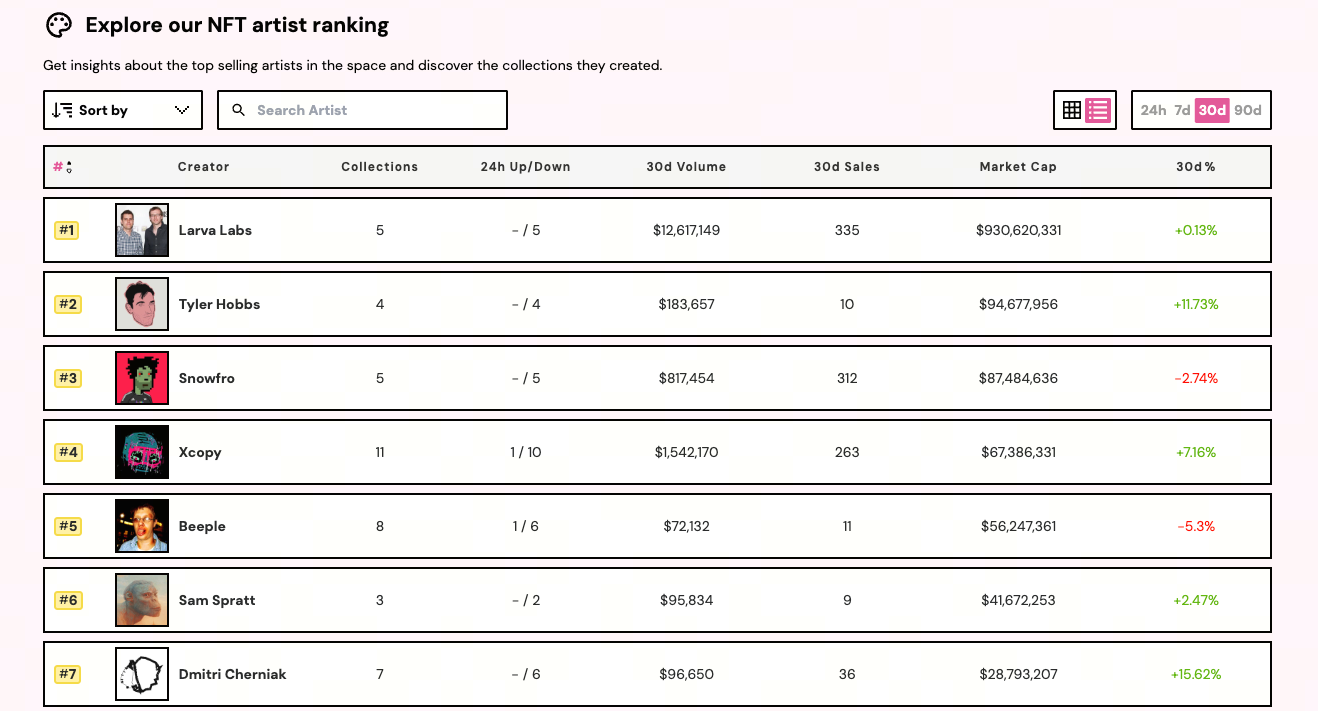
截图来源:NFT PRICEFLOOR 官网
Tyler Hobbs:算法之美的布道者
- 代表系列:Fidenza (Art Blocks Curated)
- 风格与贡献:以“流场算法(Flow Fields)”为核心,将严谨的编程逻辑与有机、随机的感性线条结合,他将 “长格式生成艺术(Long-form Generative Art)” 推向了巅峰。Fidenza 的成功证明了:算法不仅能生成图片,更能生成具有连贯美学风格的庞大艺术叙事,直接拉升了 Art Blocks 平台的历史地位。
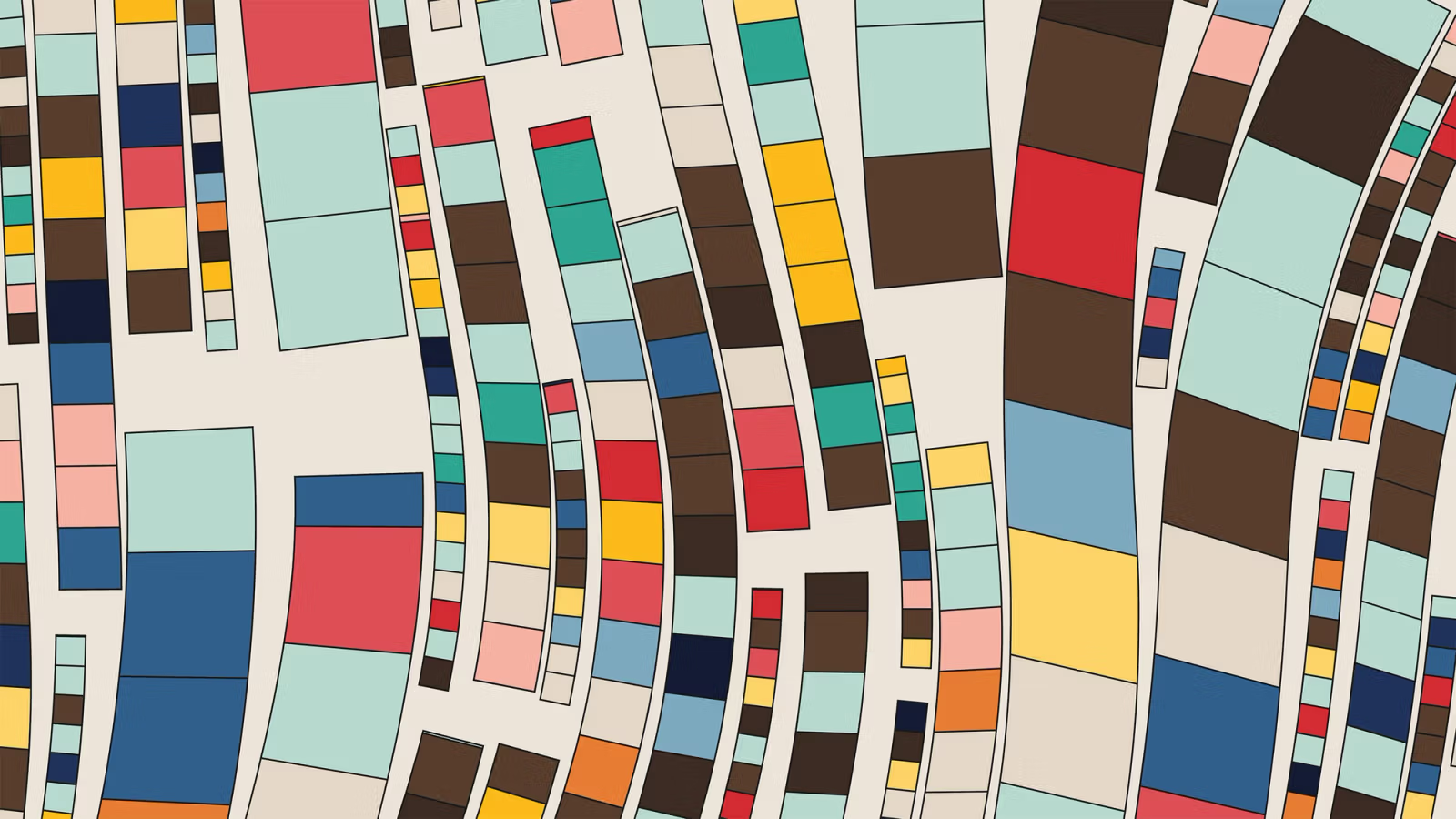
图片来源:TylerHobbs
Snowfro (Erick Calderon):生成艺术的基石
- 代表系列:Chromie Squiggle
- 风格与贡献:彩虹色的蠕动线条,看似简单,实则通过区块链哈希值实时驱动生成,Chromie Squiggles 是苏富比 NFT 拍卖品中最早的生成式 NFT 项目之一,其中两件在 2022 年底以 400 万美元价格售出。Erick 开创了 “铸造即创作” 的范式。
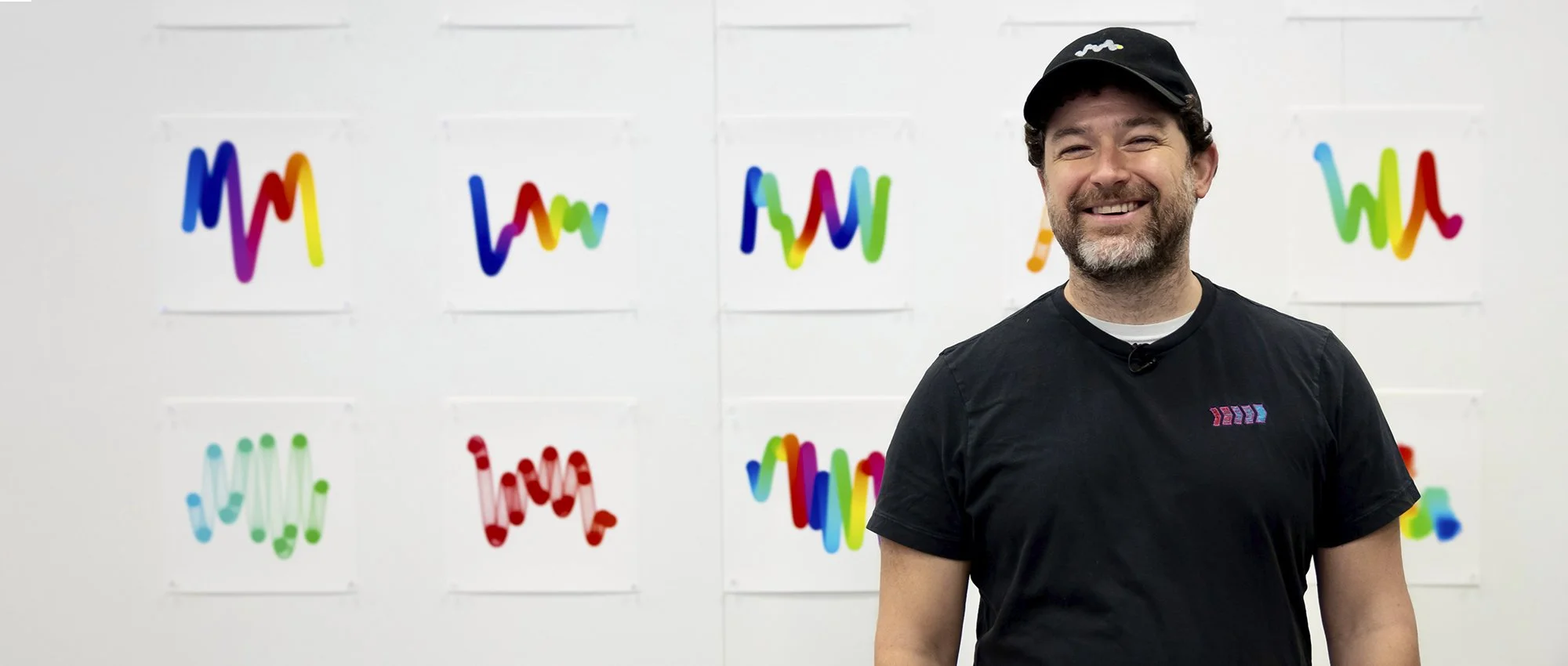
图片来源:Iconicmoments 官网
Beeple:开启主流化大门的领先者
- 代表系列:Everydays: The First 5000 Days
- 风格与技术:结合 3D 建模、政治讽刺与流行文化的超现实主义数字艺术。2021 年,Beeple 在佳士得以 6934 万美元成交了作品《Everydays: The First 5000 Days》,直接将 NFT 概念推向全球主流视野。
Sam Spratt:叙事与世界观的构建大师
- 代表系列:The Monument Game、Luci
- 风格与技术:具有古典主义油画质感的数字绘画,强调极高精细度的笔触与宏大的史诗叙事。Sam Spratt 重新定义了 “社区参与式叙事”。
- Sam 曾表示,加密和 NFT 领域似乎吸引了许多错过某些东西的人(Strangely, the crypto and NFT space seems to attract many people who missed something)。
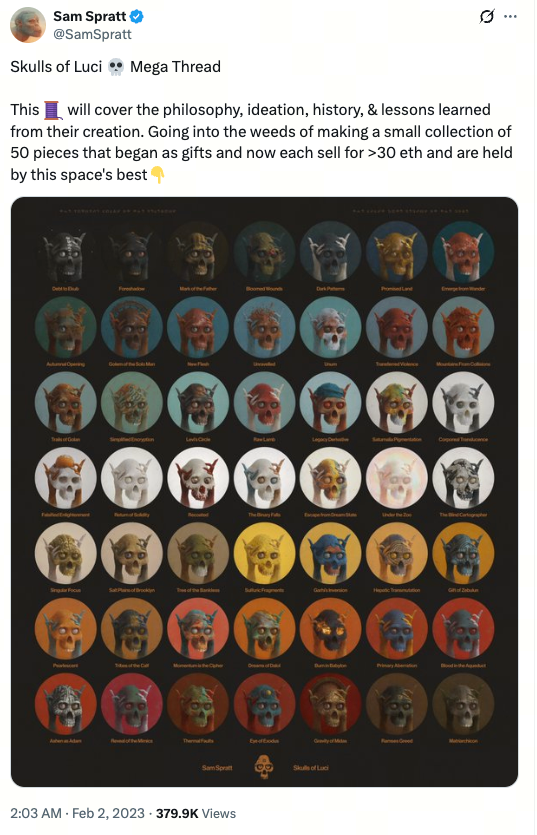
截图来源:X
Dmitri Cherniak:当代生成艺术代表人物
- 代表作品:Ringers 系列
- 风格与贡献:Ringers 系列由 1,000 件作品组成,核心逻辑是“绳索绕桩”,算法通过不同组合的桩点布局、包裹逻辑、粗细和颜色,生成千变万化的几何形态。其中的 Ringers #879 因其形态极像一只大鹅而闻名,2023 年在苏富比拍卖行以约 620 万美元成交。
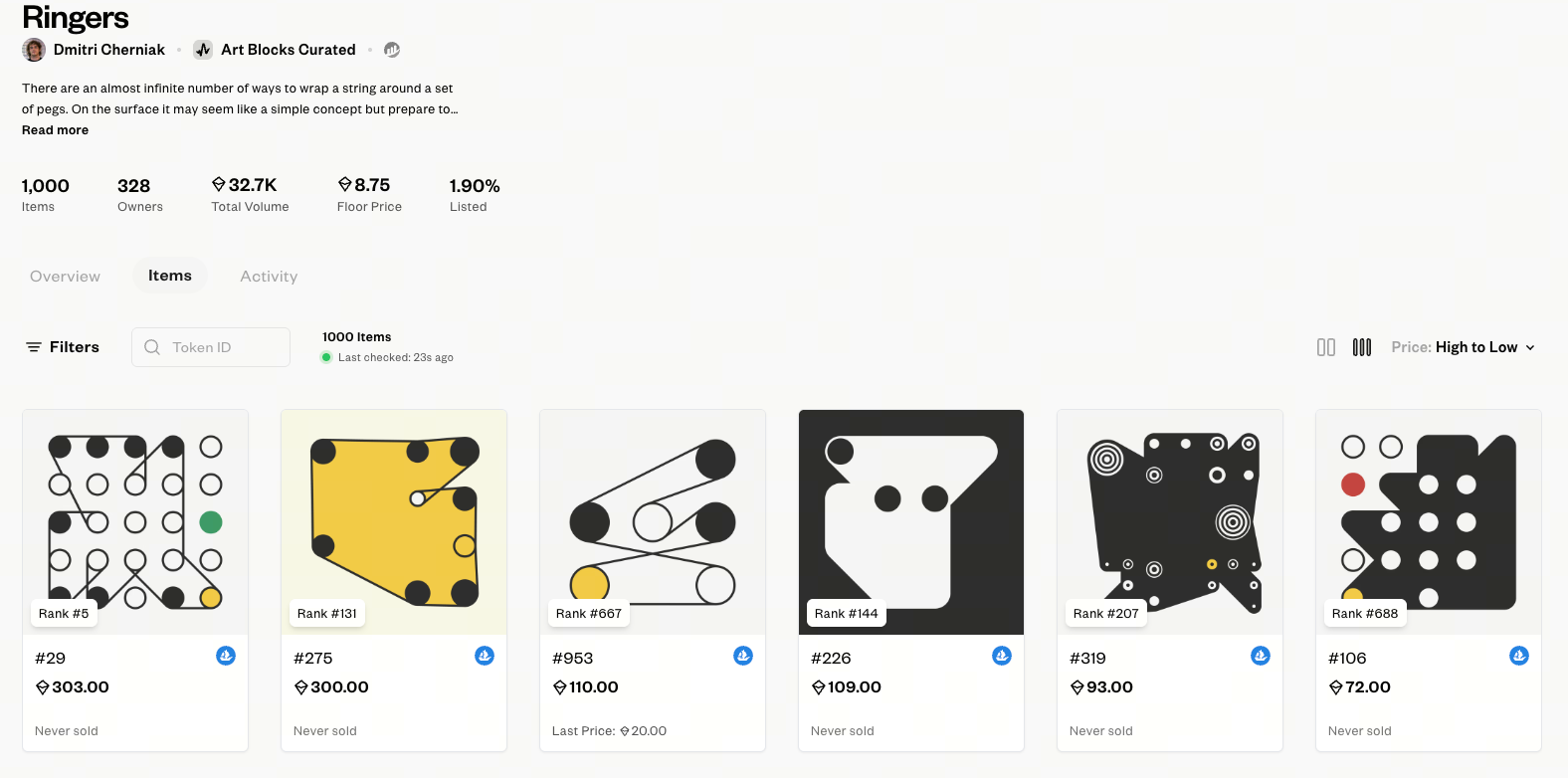
截图来源:Art Blocks 官网
Xcopy:加密艺术的“暗黑朋克”
- 代表系列:Right-click and Save As Guy、All Time High in the City
- 风格:标志性的闪烁 GIF、故障艺术(Glitch Art)以及对死亡、反乌托邦主题的探讨。
值得说明的是,上述截图中排名靠前的 Larva Labs,创始人为 Matt Hall 和 John Watkinson,他们的 CryptoPunks 定义了 PFP(头像)文化和稀缺性标准;而后续推出的 Autoglyphs 则是第一个完全在链上(On-chain)运行的生成艺术实验。
当然,另一些成就突出的艺术家还有 Pak、FEWOCiOUS、Hackatao 等艺术家,他们的作品也都曾引发过市场的关注与追捧。
如何成为一个成功的 NFT 艺术家
想要在竞争激烈的加密艺术市场脱颖而出,仅有精美的画作是远远不够的。
尤其在在 NFT 领域,支持 NFT 发行的平台越来越多,门槛也越来越低。顶级艺术家成功的秘诀在于他们创造了一个可以反复迭代的视觉系统或叙事框架,Beeple 从 2007 年起实施“Everyday”项目,每天创作并发布一幅数字图像,持续 13 年累计 5000 件,最终才成就了 6900 万美元拍卖成功的作品。
顶级的 NFT 艺术家往往是卓越的战略家,他们深谙如何在高波动性的市场中精准定位,并利用技术手段为艺术赋能。
Fidenza 的创作者 Tyler Hobbs 曾在采访中表示,他自 2016 年起反复打磨的有机曲线生成技术,通过算法平衡可预测性与惊喜,确保高质量输出在大量生成中保持一致,让买家在铸造过程中通过算法实时输出,这种独特性让其在不到 1 小时就售罄了 999 件系列 NFT 作品。
当然,早期最热门的 NFT 都发生在以太坊,但随着时间的推移,以太坊的可扩展性和高昂的燃气费问题也越来越突出,对于那些追求高频交互和低成本实验的创作者,Solana、Base 等区块链提供了更为广阔的容错空间。
比如在 Solana 上,一些热门的平台选择包括 Magic Eden 以及 Tensor 等都值得新的艺术家探索。作为目前 Solana 上最大的 NFT 市场,Magic Eden 拥有最强的流动性和最完善的 Launchpad 启动板。今年 1 月 19 日,Magic Eden 宣布从 2 月 1 日起,将其 15% 的收入直接投入 ME 代币生态系统,这部分收入的 50% 将用于在公开市场回购 ME 代币,另外 50% 将以 USDC 形式按质押权重分发给 ME 的质押者。
总结
相比于传统艺术作品,NFT 的魅力在于其“可编程性”与“无限制定制”,它不仅仅改变了艺术的交付方式,更重塑了艺术家与藏家、作品与协议之间的逻辑关系。
正如我们所看到的,Beeple、Tyler Hobbs、Erick Calderon、Sam Spratt、Dmitri Cherniak 等 NFT 艺术家的成功也为许多想要进军 NFT 领域的创作者展现了多样化成功的可能。
对于新的 NFT 创作者来说,现在依然是最好的时代。不要害怕尝试新的风格、技术或交互方式,在区块链的世界,创新和成功的可能性是无限的。
分享


相关文章

JTO 代币经济学解析:分配、用途与长期价值
什么是 Galxe(前身为 Project Galaxy)?关于 GAL 2025 年你需要知道的一切
什么是Axie Infinity?