Os títulos representam a base dos mercados tradicionais de renda fixa, funcionando como mecanismo essencial para o financiamento público, captação de recursos corporativos e estruturação de portfólios institucionais. Ao contrário das ações, que conferem participação acionária, os títulos estabelecem uma relação legal de dívida entre emissor e investidor, com fluxos de caixa e condições de pagamento claramente definidos desde a emissão.
Por isso, os títulos TradFi são amplamente adotados para garantir retornos estáveis e previsíveis, desempenhando papel fundamental na gestão de riscos de portfólios diversificados. O mercado global de títulos em circulação já ultrapassa US$100 trilhões, consolidando-se como uma das maiores e mais relevantes classes de ativos das finanças tradicionais.
Este artigo examina de forma sistemática o funcionamento dos títulos nos mercados financeiros convencionais — abrangendo categorias, mecanismos de emissão e negociação, métricas essenciais como rendimento e duração, principais riscos — e explora como o setor de renda fixa está se transformando com tokenização, RWA e plataformas de criptoativos.
O que são títulos? Valor central e propósito do investimento em títulos
O que são títulos?
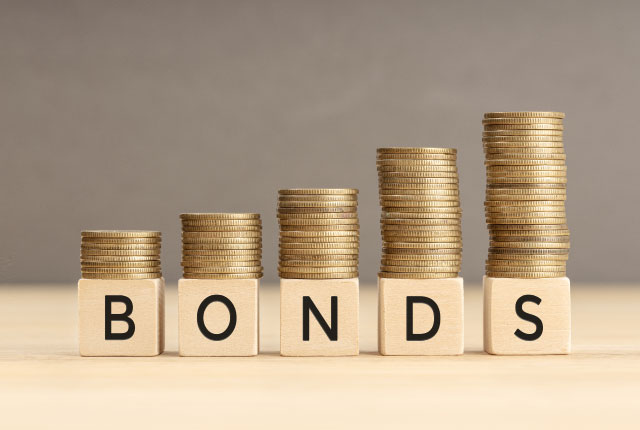
Títulos são, essencialmente, valores mobiliários de dívida — instrumentos legais que representam empréstimos concedidos pelo investidor ao emissor. Ao comprar um título, o investidor está, na prática, emprestando recursos ao emissor (governo ou empresa) em troca de pagamentos periódicos de juros e devolução do principal no vencimento. Os títulos atendem às demandas de financiamento da economia real: emissores usam títulos para viabilizar infraestrutura, expansão de negócios ou despesas públicas, enquanto investidores aproveitam retornos fixos e estáveis para equilibrar o risco do portfólio.
O mercado de títulos mundial é gigantesco, com mais de US$100 trilhões em papéis em circulação, sendo um pilar dos mercados de capitais. Em relação às ações, os títulos são vistos como investimentos de menor risco, já que seus retornos são contratualmente definidos e os portadores têm prioridade de pagamento sobre acionistas. Por exemplo, uma empresa pode emitir um título com cupom anual de 5%, e o investidor receberá 5% de juros todo ano até o vencimento.
A previsibilidade dos títulos torna-os indispensáveis para investidores conservadores e instituições que buscam alocação eficiente de ativos. Dominar a mecânica básica dos títulos permite ao investidor compreender melhor sua função no mercado e abre caminho para explorar produtos inovadores de renda fixa na plataforma Gate.
Ecossistema de títulos: governamentais, corporativos e municipais
Ecossistema de títulos: governamentais, corporativos e municipais
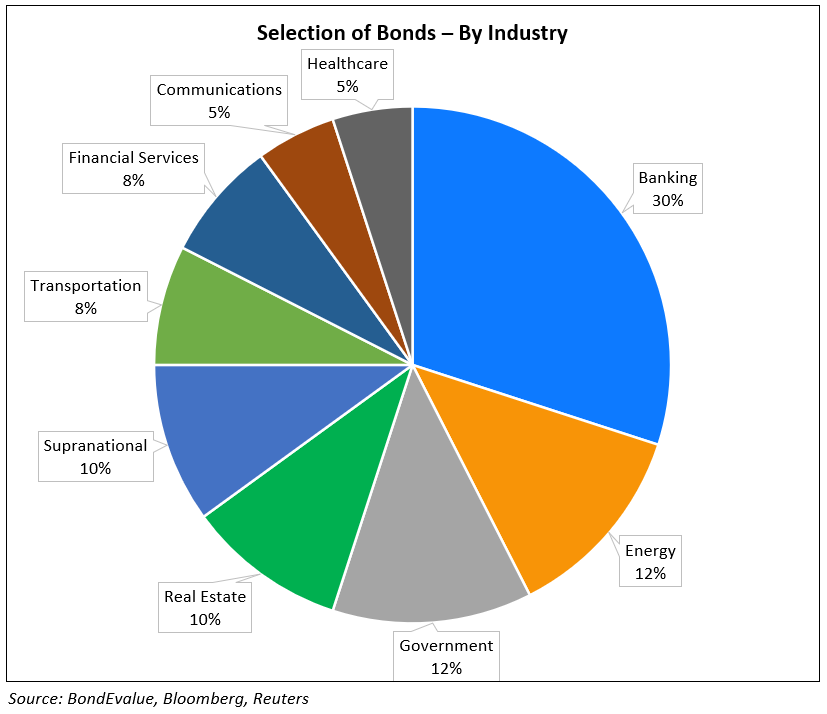
O ecossistema de títulos é amplo, com emissores como governos, empresas e municípios, cada qual com características e riscos distintos.
-
Títulos governamentais, como U.S. Treasuries ou German Bunds, são emitidos por governos nacionais e considerados a opção mais segura, pois contam com garantia soberana e risco mínimo de default. Financiam projetos públicos e políticas econômicas, estabelecem taxas de referência globais e são fundamentais para portfólios de renda fixa.
-
Títulos corporativos são emitidos por empresas para financiar operações ou expansão e, geralmente, apresentam maior risco e potencial de retorno do que títulos governamentais. Empresas com alto rating (Apple, Microsoft, etc.) oferecem títulos de baixo risco, enquanto startups ou empresas alavancadas podem lançar títulos de alto rendimento (“junk bonds”), atraindo investidores por taxas elevadas. É essencial considerar ratings de crédito, vencimentos e tolerância ao risco; por exemplo, títulos corporativos podem ter cupom de 6% contra 2% dos Treasuries, refletindo maior risco de inadimplência.
-
Títulos municipais (emitidos por cidades ou estados) viabilizam projetos como escolas e transporte. Em muitos mercados, os juros desses títulos podem ter benefícios fiscais, aumentando sua atratividade. O ecossistema abrange também títulos de agências (ex: Fannie Mae) e títulos internacionais (emissores estrangeiros), cada um com liquidez, risco e retorno próprios.
Métricas essenciais de títulos para todo investidor
Investir em títulos exige conhecimento das principais métricas. Yield to Maturity (YTM) é fundamental para calcular o retorno total ao manter o título até o vencimento, somando juros e ganhos de capital. Por exemplo, um título com valor nominal de US$1.000 e cupom de 5% adquirido por US$950 pode apresentar YTM superior a 5%, ajudando a avaliar o retorno real.
A taxa de cupom é o percentual anual fixado na emissão (exemplo: 4%), determinando os pagamentos de juros. Ratings de crédito de agências como S&P ou Moody’s variam de AAA (máxima qualidade) até C (alto risco); ratings baixos indicam maior chance de default, mas também maior potencial de retorno.
Duração indica a sensibilidade do preço do título às mudanças de taxas de juros — quanto maior, maior a volatilidade. Por exemplo, um título com duração de 5 anos pode cair cerca de 5% se as taxas subirem 1%. Risco de liquidez mostra quão fácil é negociar um título sem impactar preço; Treasuries são muito líquidos, títulos corporativos de nicho, menos. O risco de inflação também deve ser considerado, já que os rendimentos fixos podem ser corroídos pela inflação.
Como funciona a negociação de títulos: mercado primário x secundário
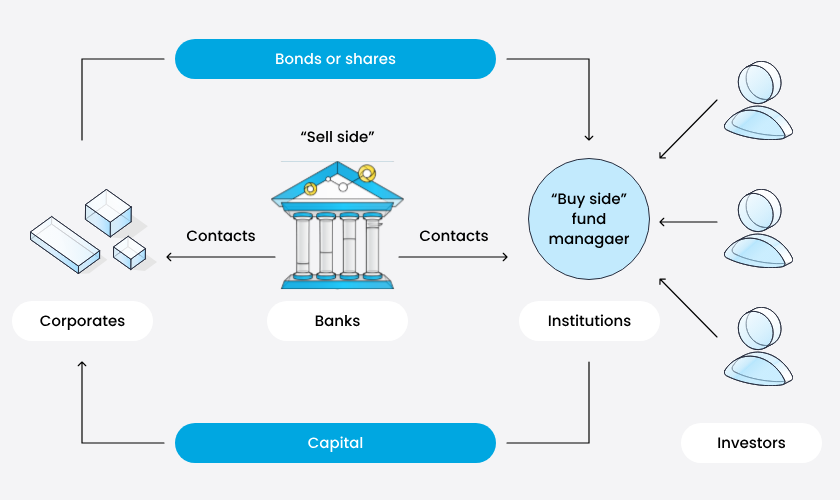
Como os títulos são negociados?
Títulos são negociados nos mercados primário e secundário, formando um ecossistema dinâmico de negociação.
O mercado primário é onde novos títulos são lançados: emissores vendem diretamente aos investidores para captar recursos. Underwriters atuam na precificação e distribuição, e investidores participam via leilões ou subscrições. U.S. Treasuries são regularmente leiloados para público varejista e institucional. As negociações primárias são iniciais, baseadas em termos como valor nominal e cupom, sendo o principal ponto de entrada para renda fixa.
O mercado secundário permite a negociação de títulos já emitidos, possibilitando compra e venda antes do vencimento, como ocorre com ações. Isso aumenta a liquidez e facilita ajustes de portfólio. Os preços dependem de oferta e demanda e são influenciados por taxas, eventos de crédito e sentimento de mercado. Por exemplo, um título corporativo de US$1.000 pode ser negociado por US$1.050 (prêmio) ou US$950 (desconto), conforme as condições. As negociações ocorrem em bolsas, mercados OTC e plataformas eletrônicas, com investidores de varejo acessando via corretoras ou plataformas financeiras.
Função central dos títulos em portfólios balanceados
Em portfólios balanceados, os títulos atuam como estabilizadores e instrumentos-chave de diversificação. A teoria de alocação recomenda repartir recursos entre ações, títulos e caixa para otimizar retornos ajustados ao risco. Os títulos oferecem renda fixa, compensando a volatilidade das ações — quando ações caem, títulos tendem a subir ou se manter, amortecendo perdas. O modelo “60/40” (60% ações, 40% títulos) equilibra crescimento e segurança, reduzindo volatilidade historicamente.
O perfil de retorno dos títulos também favorece objetivos de longo prazo, como aposentadoria ou educação. O investidor pode escolher vencimento e qualidade de crédito: Treasuries de curto prazo garantem liquidez, títulos corporativos de longo prazo oferecem maior rendimento. Mesmo em ambientes de taxa baixa, títulos podem proporcionar ganhos de capital se as taxas caírem.
Com a digitalização, títulos tokenizados de RWA (Real World Asset) ampliam o acesso. A plataforma Gate permite investir em produtos de renda fixa diversos, integrando títulos tradicionais ao portfólio cripto e promovendo convergência entre finanças tradicionais e ativos digitais, elevando a diversificação e a gestão de riscos.
Principais riscos do investimento em títulos
Apesar de serem considerados mais seguros, títulos apresentam riscos que demandam atenção do investidor.
-
Risco de crédito — possibilidade de inadimplência do emissor, seja nos pagamentos de juros ou do principal. Títulos corporativos de rating baixo estão mais sujeitos a default, com alguns de alto rendimento tendo taxas históricas acima de 5%.
-
Risco de taxa de juros — quando as taxas sobem, títulos existentes perdem valor, já que novos oferecem melhores rendimentos, impactando principalmente papéis de longa duração; se as taxas caem, títulos podem gerar ganhos de capital.
-
Risco de inflação — a renda fixa pode perder valor real se a inflação superar o rendimento dos títulos, reduzindo o poder de compra. Por exemplo, um rendimento de 3% com inflação de 4% resulta em retorno real negativo.
-
Risco de liquidez — dificuldade para vender títulos rapidamente sem prejuízo, especialmente em nichos ou papéis de rating baixo. Risco cambial (para títulos estrangeiros) e risco de reinvestimento (receber taxas menores ao reinvestir juros) também são relevantes.
Títulos & Blockchain: DeFi e RWA tokenizado em ascensão
A tecnologia blockchain revoluciona o mercado de títulos, impulsionando DeFi (Finanças Descentralizadas) e RWA tokenizado. Esse modelo converte títulos e ativos tradicionais em tokens digitais na blockchain, facilitando negociação e liquidação transparentes e eficientes. Por exemplo, uma empresa pode emitir títulos tokenizados, cada token representando US$1.000 de valor nominal, permitindo ao investidor adquirir via carteiras cripto para transferências internacionais instantâneas e acesso ao mercado 24 horas, reduzindo custos de intermediários e tornando o investimento acessível ao varejo.
Plataformas DeFi oferecem produtos similares a títulos, como yield farms ou protocolos de empréstimo, onde usuários obtêm retornos fixos ou variáveis ao fazer staking de tokens. O uso de smart contracts automatiza processos, aumentando segurança e eficiência. No entanto, é preciso considerar riscos como vulnerabilidades em contratos inteligentes e incertezas regulatórias.
O mercado de RWA tokenizado já soma bilhões de dólares, consolidando-se como ponte entre finanças tradicionais e o universo cripto.
Oportunidades de renda fixa na Gate
A plataforma Gate, referência global entre exchanges cripto, oferece uma ampla gama de oportunidades de investimento em renda fixa, conectando os mercados de títulos tradicionais à inovação cripto. Pelo Gate, investidores acessam títulos tokenizados e produtos RWA diversificados, apresentando títulos governamentais e corporativos como tokens digitais e simplificando a negociação. Por exemplo, é possível investir em títulos corporativos tokenizados com rendimento anual próximo a 6%, denominados em stablecoins USD, facilitando o investimento em criptoativos.
O Gate destaca-se pela interface segura e intuitiva e pelo alcance global. A plataforma disponibiliza informações completas sobre produtos, como rendimento, rating de crédito e vencimento, permitindo decisões mais assertivas. O Gate também integra protocolos DeFi, viabilizando ganhos via staking e mineração de liquidez, similar aos juros de títulos.
Para atrair novos usuários, o Gate oferece recursos educacionais abrangentes e baixo investimento inicial, a partir de US$100. Seja para quem busca retornos estáveis ou para quem deseja diversificar portfólio com criptoativos, o Gate é o acesso confiável para investir em renda fixa com eficiência e tecnologia blockchain.
Conclusão
Os títulos seguem como elemento central em portfólios balanceados, proporcionando retornos estáveis e diversificação de risco para investidores. Por meio de títulos governamentais, corporativos e municipais tradicionais ou RWA tokenizado e produtos DeFi no Gate, é possível adotar estratégias diversificadas e otimizar o desempenho ajustado ao risco.
Dominar métricas essenciais — rendimento até o vencimento, taxa de cupom, rating de crédito, duração, liquidez — e conhecer riscos de investimento — crédito, taxa, inflação, liquidez — é crucial para o sucesso. Com blockchain e RWA tokenizado remodelando o setor, investir em títulos está cada vez mais eficiente e transparente, com menos barreiras de entrada para quem busca renda fixa.
Pelo Gate, é possível acessar tanto os mercados tradicionais de títulos quanto produtos inovadores de renda fixa em cripto, promovendo integração entre finanças tradicionais e ativos digitais. Seja para buscar estabilidade ou diversificação, a convergência entre títulos e ativos tokenizados abre caminho sólido para crescimento consistente em qualquer cenário de mercado.
Leituras adicionais