What Is a Variable Rate?
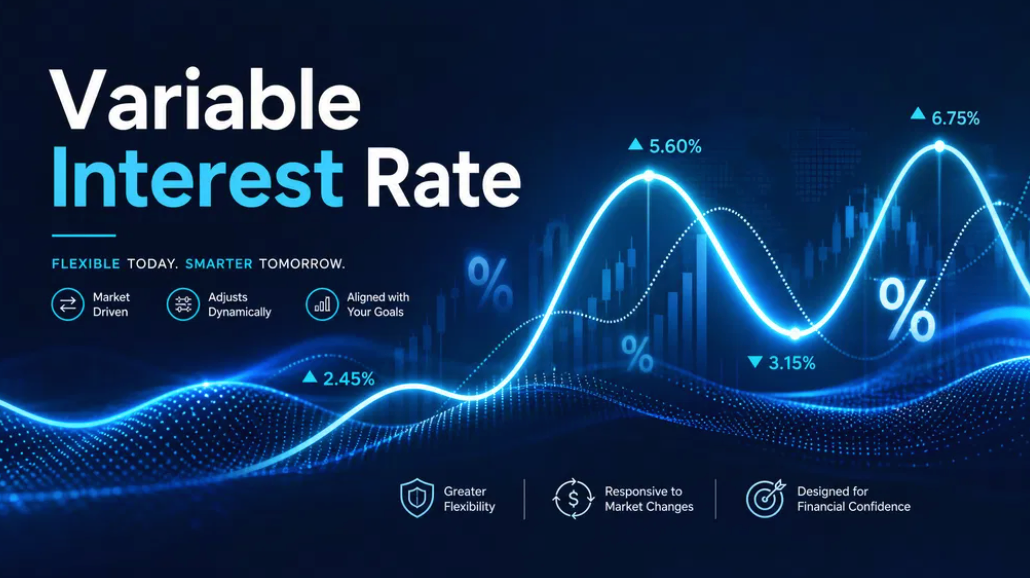
A variable rate (also called a floating rate) is a loan interest structure that adjusts periodically based on changes in a benchmark market rate, rather than staying fixed for the entire loan term. Typically, lenders reference a base rate—such as a central bank policy rate, interbank offered rate, or a specific financial market rate—and add a fixed spread to determine the actual interest rate charged to the borrower. This means the interest you pay can go up or down as market conditions shift.
For instance, when a central bank raises rates, variable rates usually rise in tandem. When rates are cut, the interest expense may decrease. The key appeal of a variable rate is its flexibility, but that flexibility comes with uncertainty.
How Does a Variable Rate Work?
Variable rates are calculated using two main components:
Actual Loan Rate = Benchmark Rate + Fixed Spread
For example, a bank's mortgage plan may specify:
-
Benchmark Rate: 2%
-
Bank Spread: 1%
The borrower's effective loan rate would be 3%.
If market rates rise and the benchmark increases to 3%, the loan rate adjusts to 4%. Conversely, if the benchmark drops to 1.5%, the loan rate may fall to 2.5%.
Because the rate fluctuates with the market, monthly payments can change over time. This is a key difference from a fixed-rate loan, where the total interest cost is known upfront.
Why Do Banks Offer Variable Rate Plans?
Banks offer variable rates mainly to transfer some interest rate risk to borrowers. The cost of funds in financial markets moves with the economy. If a bank lends at a fixed rate and market rates spike, its profit margins get squeezed. Variable rates allow banks to adjust loan rates in line with the market, reducing their own risk exposure.
At the same time, variable rate plans often feature lower initial rates to attract borrowers. In a stable or declining rate environment, they can be a compelling choice.
What Are the Advantages of a Variable Rate?
- Lower Initial Rate
The biggest edge over fixed-rate loans is the lower starting rate. Banks frequently offer promotional rates to win customers, so borrowers enjoy reduced interest costs early on. This is especially valuable for those on a tight budget or aiming to minimize short-term repayment pressure. In a low-rate environment, variable loans can deliver significant savings compared to fixed-rate alternatives.
- Potential to Benefit from Rate Cuts
When a central bank cuts rates, market rates typically follow. Variable rate borrowers benefit directly, as their loan rate adjusts downward, lowering monthly payments.
For example, during an economic slowdown, central banks often cut rates to stimulate activity. Variable rate borrowers capture the savings. If the market expects future rate declines, variable rates become even more attractive.
- Greater Repayment Flexibility
Many variable rate plans come with more flexible terms, such as lower prepayment penalties or fewer restrictions on refinancing. For borrowers who may sell their property, pay off the loan early, or restructure their finances, these plans can be a better fit than fixed-rate options.
What Are the Risks of a Variable Rate?
- Rate Hikes Can Increase Your Payment Burden
The biggest risk is that rising rates will push up costs. When a central bank keeps hiking, your loan rate rises, and your monthly interest payments increase accordingly. For large loans or long terms, even a 1%–2% rate increase can add up to a substantial extra cost over time. Choosing a variable rate doesn't guarantee savings—it depends entirely on future rate moves.
- Payment Amounts Are Uncertain
Fixed-rate loans offer predictability; variable rates do not. Because you can't forecast future rate changes, monthly payments may fluctuate. This uncertainty adds financial stress, especially for those with irregular income or tight budgets. In a high-inflation or rapid-hiking cycle, the increase in payments can sometimes exceed original expectations.
What's the Difference Between a Variable Rate and a Fixed Rate?
The core difference is whether the rate changes with the market. A fixed-rate loan locks in the same rate for the entire term, so you know exactly what you'll pay each month and the total interest cost. Market shifts won't affect your existing terms. A variable rate, on the other hand, moves with the market—it can go up or down. You may get lower costs, but you also take on the risk of rate increases. Simply put, fixed rates prioritize stability and predictability; variable rates balance risk with potential savings.
Who Is a Good Candidate for a Variable Rate?
Variable rates aren't for everyone. The right choice depends on your financial situation and market outlook. You might be a good fit if you can tolerate rate volatility without major impact on your household finances, if you expect rates to decline in the near future (making a variable rate potentially cheaper over time), and if you plan to sell your home, prepay the loan, or refinance within a few years (allowing you to take advantage of the lower initial rate without long-term exposure to hikes).
How Interest Rate Policy Affects Variable Rates
Central bank policy is a primary driver of variable rate movements. When inflation heats up, central banks raise rates to cool demand, pushing loan rates higher. When the economy slows, they cut rates to encourage borrowing and spending. For anyone with a variable rate loan, keeping an eye on central bank signals is essential—many mortgage and corporate loan adjustments are directly tied to those decisions.
Summary
A variable rate is a loan pricing mechanism that fluctuates with market interest rates. It typically offers a lower initial rate than fixed-rate loans and can reduce borrowing costs in a falling-rate environment, but it also exposes you to higher payments when rates rise. When choosing a loan, don't just look at the current rate. Consider your financial capacity, risk tolerance, and the likely direction of interest rates. Understanding how variable rates work and their inherent risks will help you make a smarter decision for your mortgage or other financing needs.