In traditional online games, the equipment, characters, and items players earn are usually locked within a single product environment, with their value largely dependent on the platform’s operating rules. As digital assets and open ecosystems evolve, game assets are transforming from consumable resources into digital resources capable of continuous circulation and reuse. NEXPACE is designed against this backdrop, aiming to enable players’ achievements to transcend application boundaries.
MapleStory Universe introduces the concept of RX (Reward Experience), which describes the sense of accomplishment and sustained engagement players derive from obtaining, accumulating, and using items. Rather than emphasizing trading activity, NEXPACE focuses on strengthening long-term gameplay through asset mechanisms and builds the entire ecosystem around this goal.
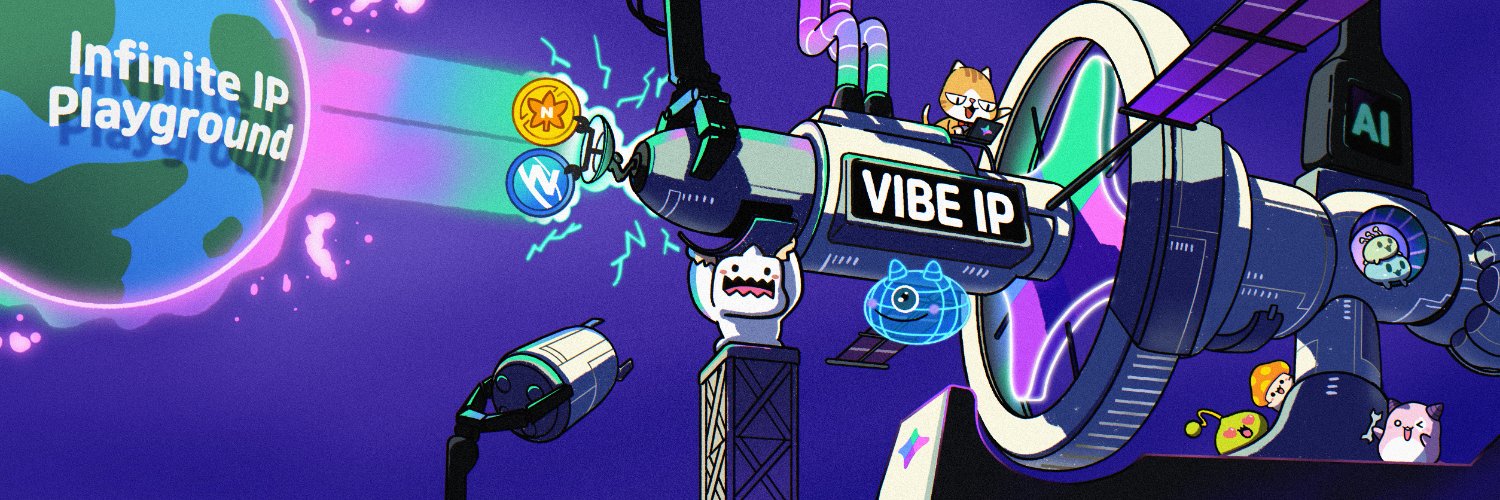
Source: nexpace.io
How NEXPACE Builds a Player-Driven On-Chain Gaming Ecosystem
NEXPACE’s ecosystem design emphasizes participatory growth over centralized content provision. The project treats players as integral participants in ecosystem development, not just end consumers, directly linking usage behavior to ecosystem expansion.
The system revolves around a cycle of “participation → contribution → incentives → re-participation.” Players acquire in-game assets, developers build applications around those assets, the community enhances asset value through adoption and usage, and the ecosystem redistributes resources via reward mechanisms.
The project also introduces a contribution evaluation system. Users’ impact on NFT usage scope, application development, and ecosystem growth generates corresponding contribution records, which periodically yield rewards. This framework theoretically applies to all participants, including regular users, development teams, and third-party builders.
This structure aims to mitigate the centralization of value distribution common in traditional gaming platforms, allowing ecosystem growth to depend more on genuine participation rather than isolated operational activities.
What Role Does the NXPC Token Play in the NEXPACE Ecosystem?
NXPC serves as a critical medium linking asset scarcity, gameplay experience, and ecosystem incentives. By establishing a unified value relationship among digital assets, NXPC enables continuous resource circulation within the ecosystem.
The protocol adopts a bidirectional exchange model. Players can use NXPC to acquire a specified set of NFT assets and, within permitted rules, convert those assets back into NXPC. This structure creates a lasting connection between in-game actions and ecosystem value, moving beyond one-time acquisition.
Beyond value bridging, NXPC also functions as a contribution incentive. The project distributes resources to users who drive ecosystem expansion through periodic reward models, employing a gradual release mechanism to reduce long-term reliance on new supply.
This design ensures that NXPC’s significance extends beyond circulation, gradually becoming a key indicator of overall ecosystem activity.
How Do NEXPACE’s Game Assets and Digital Ownership Mechanisms Work?
Digital ownership is a core mechanism of NEXPACE. The project designates certain key game assets as NFTs or FTs, recording their attributes, quantities, and circulation history to create a transparent and traceable asset system.
In traditional games, items hold use value, but control remains with the platform operator. Players may have access to use items, but true ownership is elusive. NEXPACE aims to change this dynamic through on-chain assets.
The project also employs a fixed supply mechanism for certain assets, giving them clear scarcity attributes. Limited supply combined with cross-application capabilities allows game assets to not only serve a functional purpose but also accumulate long-term value.
Once assets achieve digital ownership, the player-game relationship shifts from account dependency toward asset-based participation.
How Does NEXPACE Connect Game Content Production and Value Transfer?
NEXPACE seeks to ensure that game assets are not only consumed but also drive content creation. To achieve this, the project introduces NESO as a key medium within the ecosystem.
NESO establishes a transparent conversion relationship with NXPC, enabling value to flow seamlessly between the asset layer and the application layer. Developers can use NESO within applications to design reward logic, content services, and business models, thereby expanding asset utility.
Development tools also allow developers to access character information, asset states, and market data, and to extend NFT functionality. The same asset can take on new forms across multiple applications.
When content capabilities and asset capabilities converge, the ecosystem creates a new value cycle, continuously converting player activity into fresh experiential offerings.
What Core Application Scenarios Does NEXPACE Support?
NEXPACE is not limited to a single game; instead, it aims to form a comprehensive game asset network. The ecosystem encompasses multiple use cases centered on asset management, application connectivity, and user collaboration.
Current capabilities include game asset acquisition and holding, digital asset exchange, content expansion, application synergy, and community interaction. Once obtained, assets are not confined to a single use but can continuously participate in subsequent experiences.
As applications grow, the same asset may simultaneously engage in trading, display, game interaction, and community events. This structure improves asset utilization efficiency and strengthens players’ motivation to stay engaged.
Expanding the application scope is also a key way for the project to reinforce the RX concept.
Traditional gaming platforms typically operate closed economic systems. Item generation, trading, and value distribution are centrally controlled by the platform. While players can participate, they struggle to build long-term asset value.
NEXPACE adopts an open asset structure by decoupling game items from platform logic, allowing assets to exist independently. Players manage assets under unified rules, and developers can build new experiences on existing resources.
The fundamental difference between the two models lies not in blockchain technology itself, but in how value is organized. Traditional platforms focus on controlling content supply, whereas NEXPACE prioritizes continuous asset usage and ecosystem collaboration.
This shift indicates that gaming platforms are evolving from product operation models toward ecosystem operation models.
What Is NEXPACE’s Positioning in the Web3 Gaming Ecosystem?
NEXPACE is positioned not merely as a blockchain game but as infrastructure that connects game IP, asset systems, and development capabilities.
Unlike on-chain game models that emphasize trading frequency, the project focuses on extending the lifecycle of gameplay experience and continuously unlocking new use value for assets.
The RX concept redefines item acquisition as a cumulative long-term experience, while the contribution mechanism encourages community co-participation.
This direction reflects a trend among certain Web3 games to move from short-term economic cycles toward open, collaborative ecosystems.
What Are the Advantages and Limitations of NEXPACE?
NEXPACE’s strengths lie primarily in combining a mature IP with an open asset system. NFTs, NXPC, and NESO form a unified economic structure, granting assets higher liquidity and long-term utility.
Open contribution rewards and development capabilities deepen community engagement, creating favorable conditions for ecosystem expansion. Compared to closed gaming models, players gain a stronger sense of participation and asset continuity.
However, an open structure also introduces greater coordination challenges. Cross-application compatibility, asset supply-demand balance, and ecosystem governance will all influence long-term success.
Whether digital ownership can truly translate into a sustained experience ultimately depends on the pace of ecosystem development and genuine usage demand.
Summary
NEXPACE reorganizes game asset relationships through NFTs, NXPC, NESO, and contribution mechanisms, striving to build an open, sustainable, and player-driven digital gaming ecosystem.
The project introduces the RX concept, extending in-game acquisition experiences into long-term asset experiences and promoting content circulation through open application capabilities.
Compared to traditional gaming platforms, NEXPACE emphasizes asset ownership, ecosystem collaboration, and long-term value extension.
FAQ
What is NEXPACE?
NEXPACE is an on-chain game asset protocol from MapleStory Universe that builds an open economic model using NFTs, NXPC, and NESO.
What is the main function of NXPC?
NXPC connects asset generation, value exchange, and contribution reward systems.
What is the relationship between NESO and NXPC?
NESO serves as an in-ecosystem utility tool and connects with NXPC through a transparent mechanism.
Why are game assets NFTs?
NFTs provide clear ownership, fixed supply, and cross-application usability.
What is RX?
RX refers to the sense of accomplishment and long-term experiential value players gain through obtaining and using game assets.







