С развитием Web3 и искусственного интеллекта цифровая идентичность становится ключевым элементом инфраструктуры. В открытых сетях пользователь может оставаться анонимным, однако анонимность приводит к проблемам: рост числа ботов, дублирование идентичностей, дисбаланс в управлении. Поэтому создание надежной системы идентификации в децентрализованной среде становится одной из главных задач отрасли.
Сегодня для решения этой задачи сформировались два основных технических подхода. Первый — модель «доказательства личности» (proof of personhood), примером которой служит Worldcoin: здесь реальность личности подтверждается биометрической аутентификацией. Второй — децентрализованная идентичность (DID), где идентификация строится на ончейн-учетных данных и информации под контролем пользователя. Подходы заметно различаются по философии и технической реализации.
Обзор Worldcoin и децентрализованной идентичности (DID)
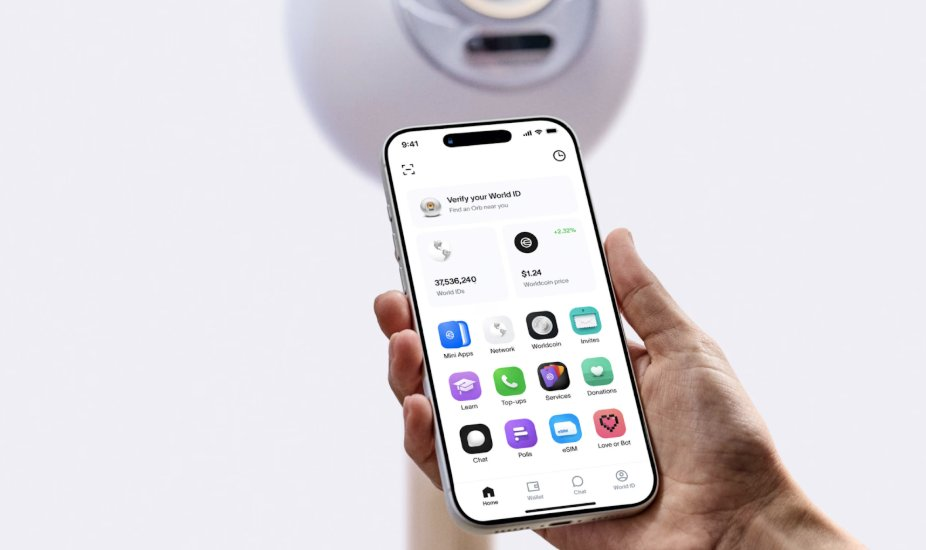
Worldcoin — система, сочетающая цифровую идентичность и распределение криптовалюты. Основной элемент — World ID, предназначенный для подтверждения, что пользователь — реальный и уникальный человек. Система использует сканирование радужки глаза для создания зашифрованных идентификаторов, формируя глобальную базу идентичности.
Механизм Worldcoin предотвращает атаки Sybil и поддерживает сценарии, где важен принцип «один человек — один голос»: справедливое распределение, голосование в DAO.
Децентрализованная идентичность (DID) — модель идентификации на базе блокчейна или распределенных систем, позволяющая пользователю владеть и управлять своими идентификационными данными. DID включает несколько проверяемых учетных данных, которые могут выдаваться разными организациями и избирательно предоставляться самим пользователем.
В чем ключевые различия между Worldcoin и DID?
Worldcoin и DID служат для верификации личности, но их отличие — в целях проверки. Worldcoin доказывает, что «вы — уникальный человек», а DID — «какую идентификационную информацию или атрибуты вы имеете».
Worldcoin ориентирован на уникальность личности и защиту от атак, DID — на выражение идентичности и контроль пользователя над данными.
В отличие от традиционных систем, DID не зависит от централизованных платформ, а акцентирует право пользователя на владение данными и управление приватностью.
| Параметр |
Worldcoin |
Децентрализованная идентичность (DID) |
| Основная цель |
Доказательство уникальности |
Суверенитет данных, выражение идентичности |
| Верификация |
Биометрия (радужка) |
Учетные данные, подписи |
| Модель приватности |
Шифрование, доказательство с нулевым разглашением |
Данные под контролем пользователя |
| Защита от атак |
Высокая (Sybil-устойчивость) |
Средняя |
| Применение |
Голосование, аирдроп, антибот |
Авторизация, аутентификация, социальные сети |
Как различаются методы верификации Worldcoin и DID?
Worldcoin использует биометрическую идентификацию — уникальный идентификатор формируется на основе сканирования радужки глаза. Такой способ основан на физических характеристиках и обеспечивает высокий уровень проверки уникальности.
DID не использует биометрию, а подтверждает личность с помощью криптографических подписей и ончейн-учетных данных. В этом случае доверие строится на эмитенте учетных данных, а не на физических признаках пользователя. Такой подход гибче, но менее устойчив к дублированию идентичностей.
Как различаются модели приватности Worldcoin и DID?
С точки зрения приватности Worldcoin применяет зашифрованные хэши и доказательства с нулевым разглашением, позволяя подтверждать личность без раскрытия конкретных данных. Однако использование биометрии вызывает опасения в отношении приватности.
DID реализует модель контроля пользователя над данными: он сам решает, какую информацию, когда и кому раскрывать. Это минимизирует раскрытие данных и подходит для сценариев с многомерным представлением идентичности.
Как различаются сценарии применения Worldcoin и DID?
Worldcoin оптимален, когда требуется уникальность личности — например, для аирдропа, антибот-систем, управления DAO, где важно не допустить множественных идентичностей.
DID удобен для представления идентичности и работы с данными: авторизация, цифровые сертификаты, ончейн-кредитование, Web3-социальные сети. DID — это «контейнер идентичности», в который можно помещать широкий спектр информации.
Что масштабируемее: Worldcoin или DID?
Масштабируемость Worldcoin ограничена развертыванием аппаратного устройства (Orb): темпы роста зависят от логистики. После создания сети система обеспечивает высокий уровень доверия к идентичности.
DID масштабируется программно и протокольно — его легко интегрировать в разные приложения, что дает гибкость для расширения экосистемы. Однако для уникальности идентичности требуется внедрение дополнительных механизмов.
Резюме
Worldcoin и DID — два разных направления развития цифровой идентичности. Worldcoin с Proof of Personhood отвечает на вопрос «этот человек уникален?» и закладывает базу для справедливого распределения и управления. DID через децентрализованную систему учетных данных решает задачу «как выражается идентичность?», предоставляя пользователю контроль над своими данными.
На практике эти модели скорее дополняют друг друга, чем конкурируют. По мере развития Web3 и ИИ будущие системы цифровой идентичности, вероятно, будут интегрировать оба подхода, чтобы повысить функциональность и безопасность.
Часто задаваемые вопросы
В чем главное отличие между Worldcoin и DID?
Worldcoin доказывает, что «вы — уникальный человек», а DID — «какой идентификационной информацией вы обладаете».
Является ли Worldcoin разновидностью DID?
Worldcoin — специализированный протокол идентичности, но его основная цель отличается от классического DID: акцент на уникальности, а не на контроле над данными.
Может ли DID предотвратить атаки ботов?
DID сам по себе не обеспечивает высокой защиты от ботов и обычно требует интеграции с другими механизмами, например с аутентификацией или системой репутации.
Является ли Worldcoin более безопасным?
Worldcoin хорошо предотвращает дублирование идентичностей, однако применение биометрии вызывает вопросы по приватности.
Можно ли использовать Worldcoin и DID вместе?
Да. Worldcoin обеспечивает уникальность идентичности, а DID — управление идентификационными данными, поэтому подходы взаимодополняют друг друга.