

#ArthurHayesSeesHYPEOvertakingSOL
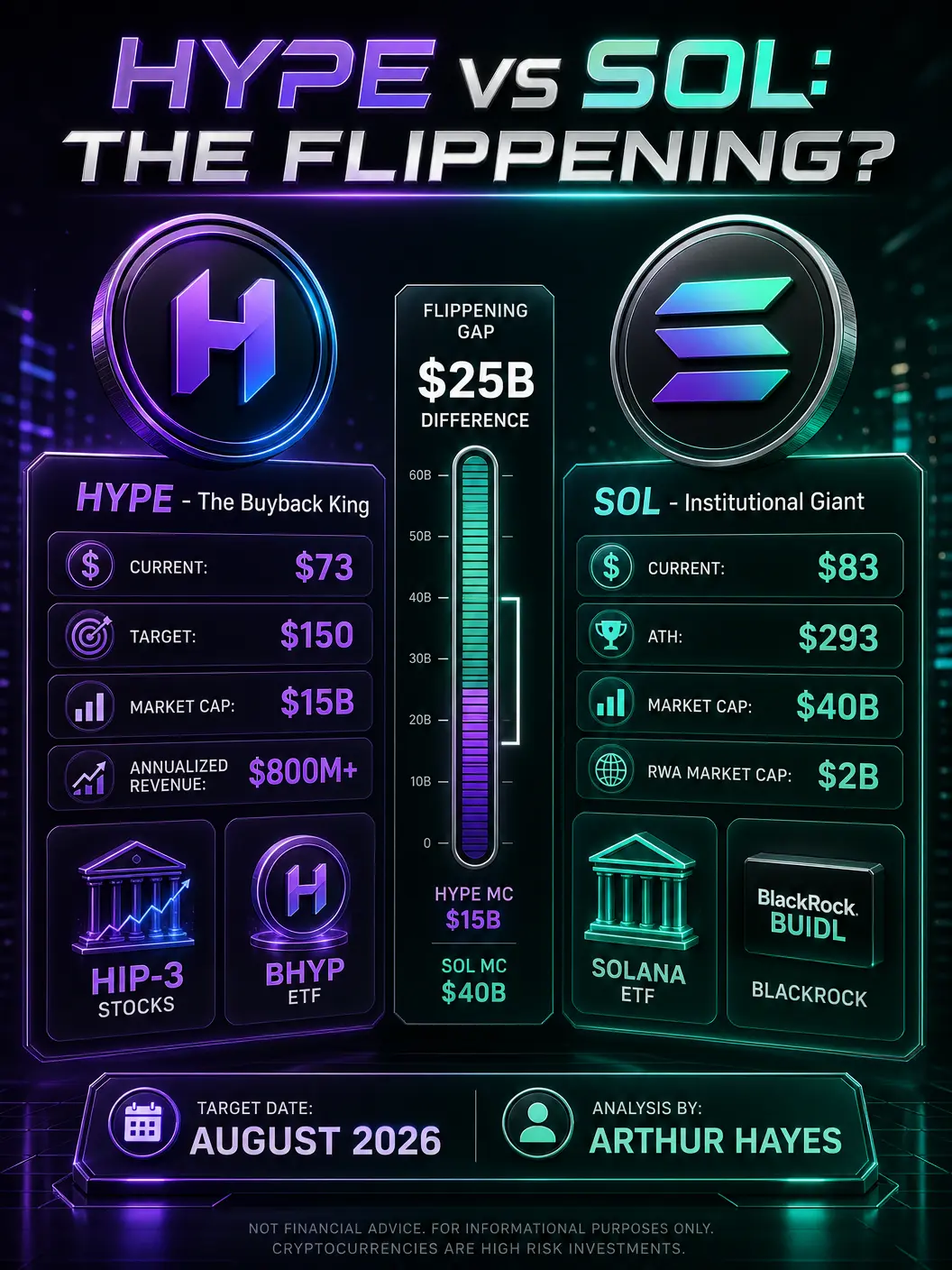
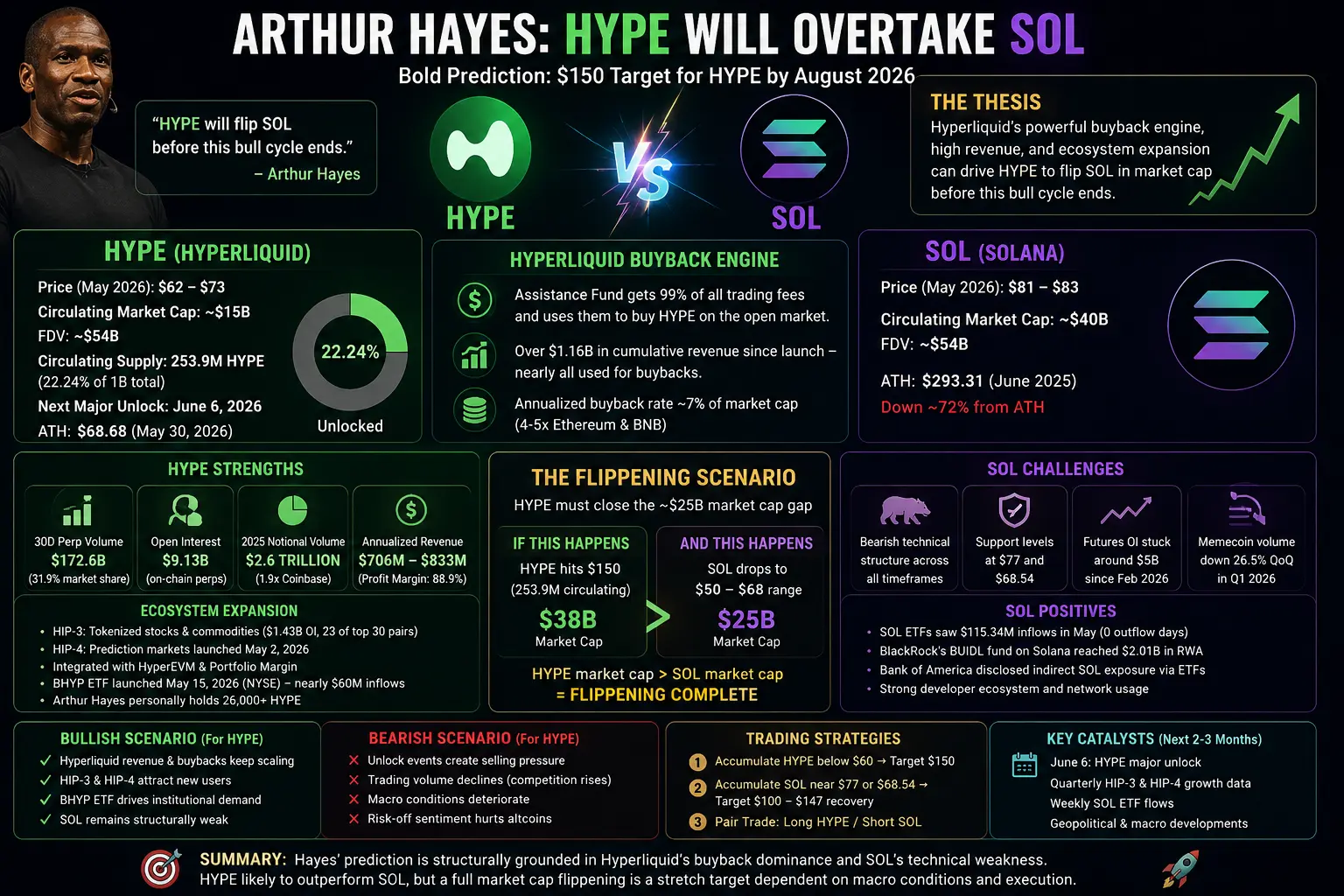
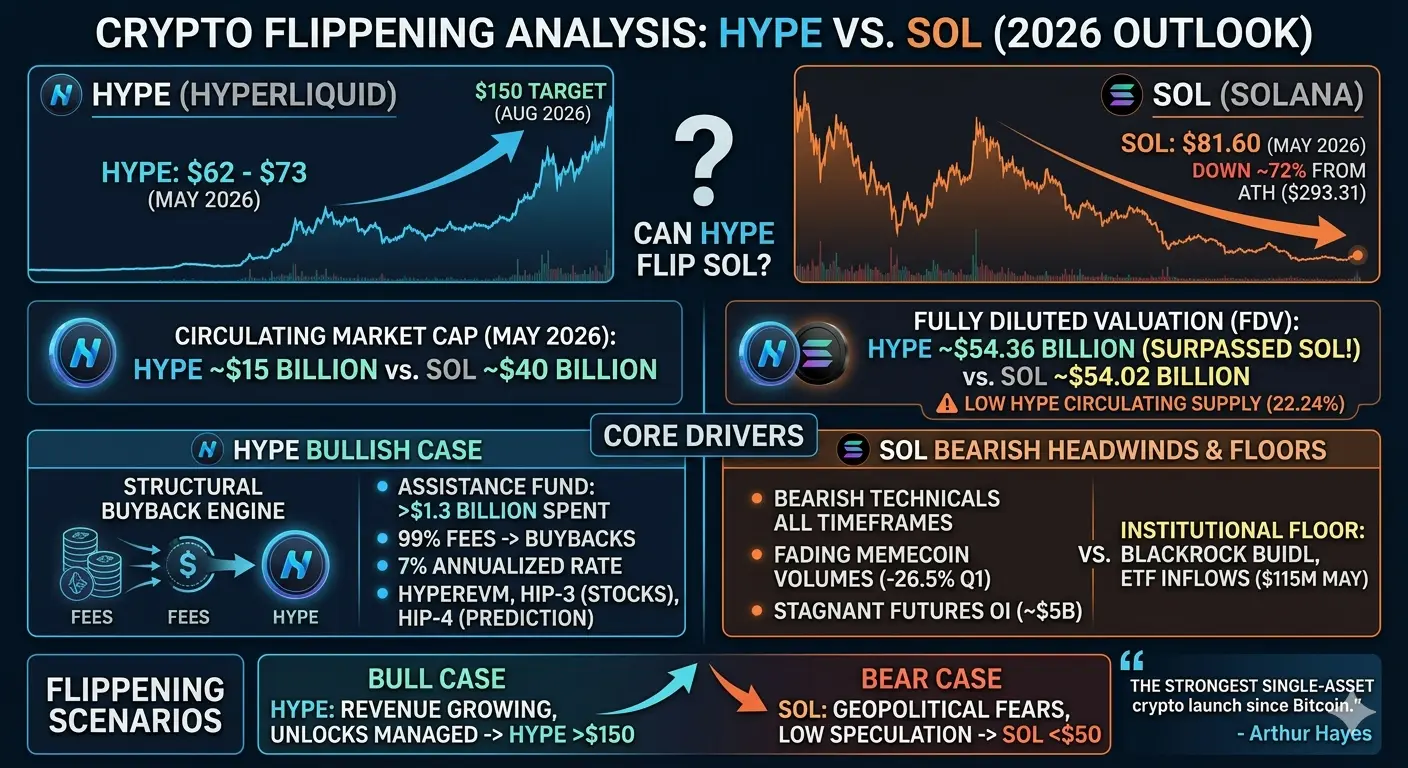
The cryptocurrency market has always been driven by innovation, competition, and the constant search for the next major breakthrough. As new blockchain ecosystems emerge and established networks continue to evolve, investors and analysts frequently debate which projects possess the strongest long-term growth potential. One of the most interesting discussions currently gaining attention revolves around whether HYPE could eventually challenge or even surpass SOL in terms of influence, adoption, and market performance.
The digital asset industry has demonstrated repeatedly that market leadership is never guaranteed. Throughout crypto history, dominant projects have faced challenges from newer platforms offering improved scalability, enhanced user experiences, stronger community engagement, or innovative technological solutions. As a result, investors closely monitor emerging ecosystems that show signs of accelerating growth and increasing market relevance.
SOL has established itself as one of the most recognizable blockchain ecosystems in the industry. Its high-speed transaction processing, relatively low fees, and thriving developer community have helped it become a major destination for decentralized finance, NFTs, gaming applications, and a wide range of blockchain-based innovations. The network has built a strong reputation for supporting large-scale activity while maintaining a vibrant ecosystem of projects and users.
At the same time, the cryptocurrency landscape continues to evolve rapidly. New protocols, platforms, and ecosystems regularly enter the market with ambitious goals and innovative approaches. Some of these projects are designed to address limitations within existing networks, while others seek to create entirely new opportunities for users, developers, and investors.
The discussion surrounding HYPE reflects a broader theme within the crypto industry: the possibility that emerging platforms can capture significant market attention through strong growth, expanding communities, and increasing utility. Market participants are constantly evaluating whether newer ecosystems possess the characteristics necessary to challenge established leaders.
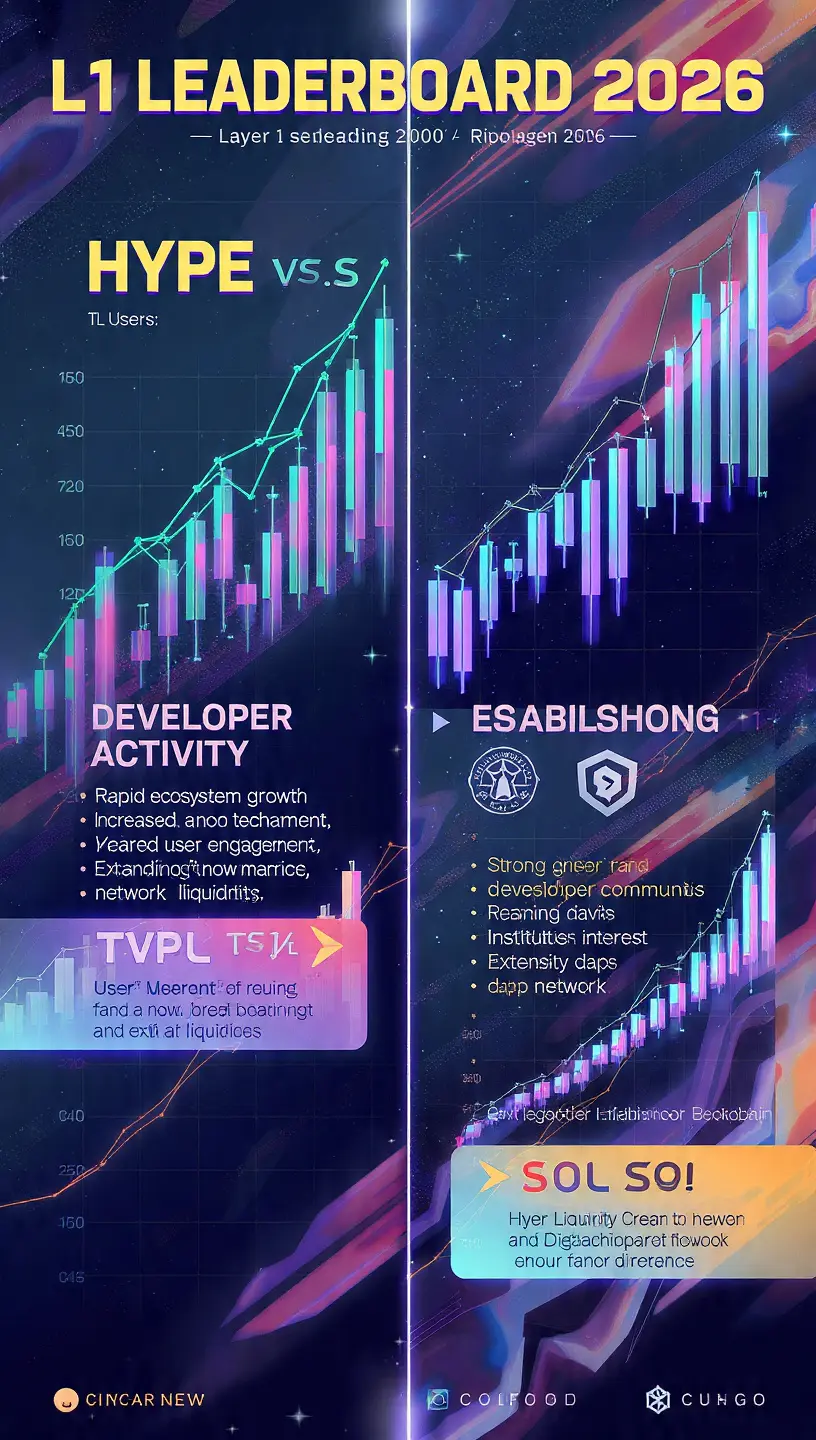
Several factors typically influence whether a blockchain ecosystem can achieve long-term success. Developer activity remains one of the most important indicators. Networks that attract talented builders and encourage the creation of innovative applications often generate stronger user engagement and ecosystem growth. A thriving developer community frequently serves as the foundation for sustainable expansion.
User adoption is another critical component. Successful blockchain networks must provide compelling reasons for users to participate. Whether through decentralized finance opportunities, gaming experiences, social applications, digital asset trading, or other innovative use cases, real-world utility plays a crucial role in driving long-term demand.
Liquidity and capital inflows also contribute significantly to ecosystem growth. As investors allocate resources toward promising projects, increased liquidity can support market activity, encourage development, and strengthen network effects. Strong liquidity often attracts additional participants, creating a cycle that reinforces ecosystem expansion.
Community engagement remains one of the defining characteristics of successful crypto projects. Passionate communities frequently help drive awareness, support adoption, and contribute to the overall growth of an ecosystem. In many cases, strong community support has played a major role in transforming emerging projects into major market participants.
Innovation continues to serve as the lifeblood of the cryptocurrency industry. Projects capable of introducing new technologies, improving user experiences, or solving meaningful challenges often attract attention from both investors and developers. The ability to innovate consistently can provide a competitive advantage in an increasingly crowded market environment.
Market sentiment also plays a significant role in determining which projects receive attention and capital. Narratives can influence investment flows, particularly when influential industry figures express confidence in specific ecosystems or technologies. Such perspectives often generate increased discussion and encourage market participants to evaluate opportunities from new angles.
However, long-term success ultimately depends on execution rather than speculation alone. While predictions and opinions can influence short-term sentiment, sustainable growth generally requires continuous development, reliable infrastructure, expanding adoption, and ongoing innovation. Projects that consistently deliver tangible results tend to build stronger foundations over time.
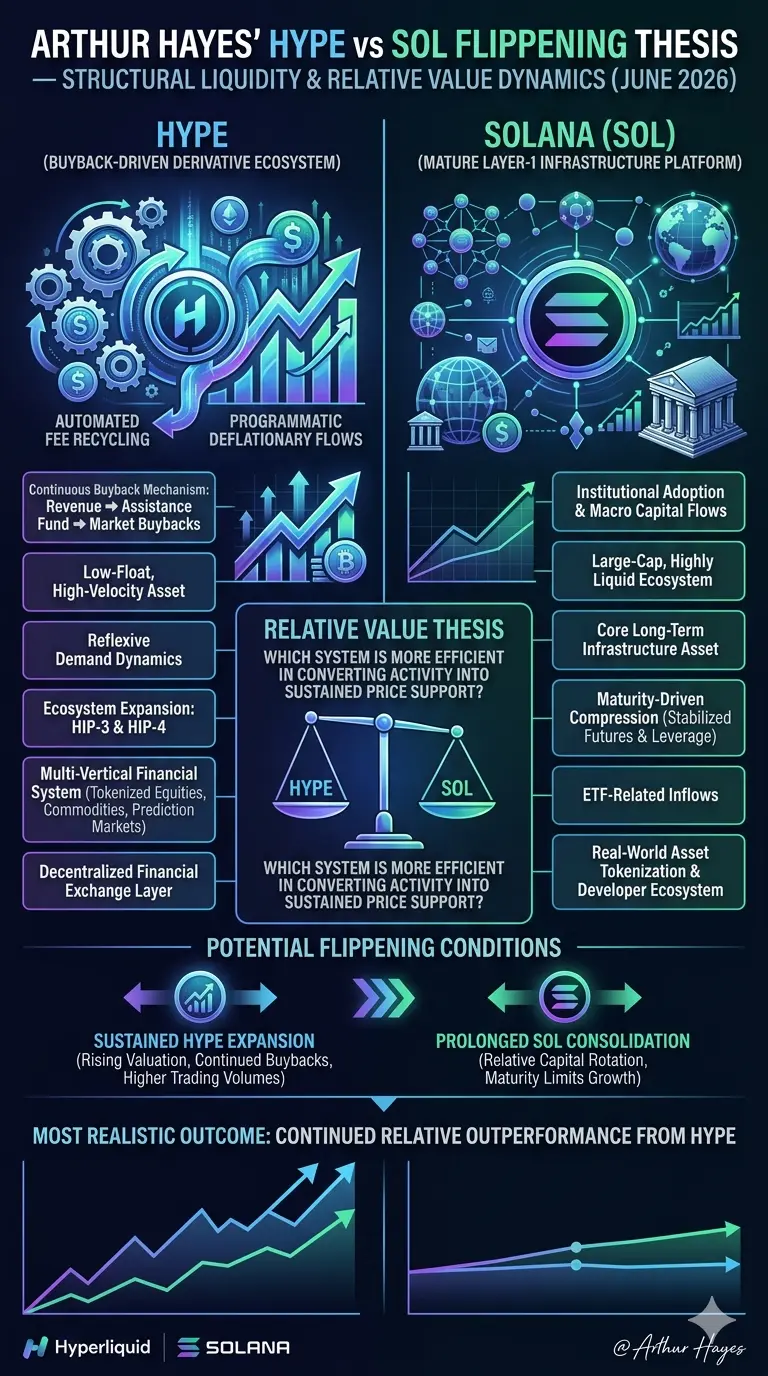
The possibility of HYPE overtaking SOL represents an example of the dynamic nature of cryptocurrency markets. Investors constantly assess emerging opportunities while comparing them against established ecosystems. Such comparisons encourage deeper analysis of technology, adoption trends, community growth, and long-term potential.
Competition within the blockchain industry often benefits the broader ecosystem. As projects strive to attract users and developers, innovation accelerates and new solutions emerge. This competitive environment helps drive technological progress while expanding the range of opportunities available to participants.
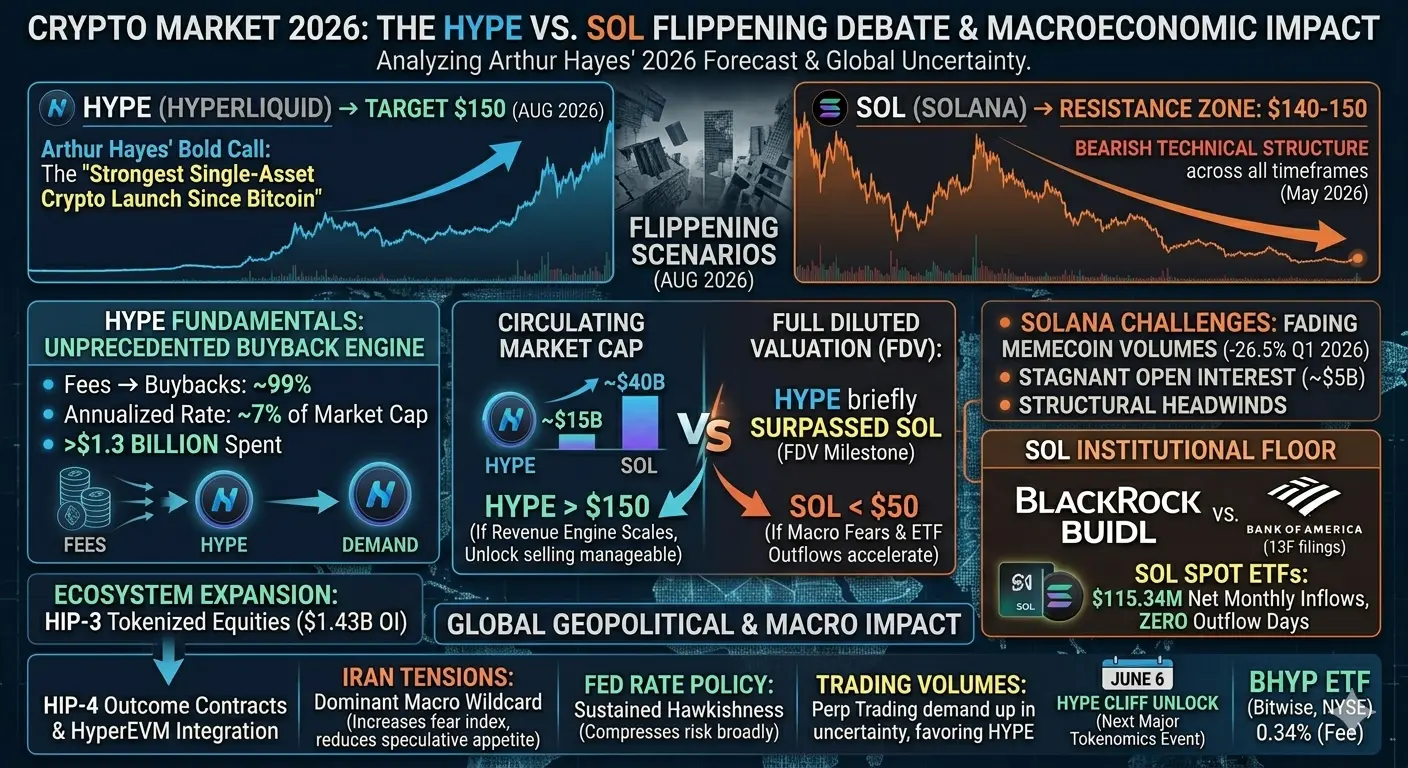
Whether HYPE ultimately surpasses SOL remains uncertain and will depend on numerous factors including adoption rates, ecosystem development, market conditions, technological advancements, and community engagement. What is clear, however, is that the discussion highlights the ongoing evolution of the crypto industry and the willingness of market participants to explore emerging possibilities.
As the digital asset landscape continues to mature, investors will likely remain focused on identifying projects capable of delivering meaningful innovation and sustainable growth. The future leaders of the blockchain industry will be determined not only by market capitalization but also by their ability to create value, attract users, support developers, and contribute to the long-term expansion of decentralized technologies.
The crypto market has repeatedly demonstrated that change is constant and opportunities can emerge from unexpected places. For investors and enthusiasts alike, monitoring these developments remains an essential part of understanding where the industry may be headed next and which ecosystems could define the future of blockchain innovation.
The cryptocurrency market has always been driven by innovation, competition, and the constant search for the next major breakthrough. As new blockchain ecosystems emerge and established networks continue to evolve, investors and analysts frequently debate which projects possess the strongest long-term growth potential. One of the most interesting discussions currently gaining attention revolves around whether HYPE could eventually challenge or even surpass SOL in terms of influence, adoption, and market performance.
The digital asset industry has demonstrated repeatedly that market leadership is never guaranteed. Throughout crypto history, dominant projects have faced challenges from newer platforms offering improved scalability, enhanced user experiences, stronger community engagement, or innovative technological solutions. As a result, investors closely monitor emerging ecosystems that show signs of accelerating growth and increasing market relevance.
SOL has established itself as one of the most recognizable blockchain ecosystems in the industry. Its high-speed transaction processing, relatively low fees, and thriving developer community have helped it become a major destination for decentralized finance, NFTs, gaming applications, and a wide range of blockchain-based innovations. The network has built a strong reputation for supporting large-scale activity while maintaining a vibrant ecosystem of projects and users.
At the same time, the cryptocurrency landscape continues to evolve rapidly. New protocols, platforms, and ecosystems regularly enter the market with ambitious goals and innovative approaches. Some of these projects are designed to address limitations within existing networks, while others seek to create entirely new opportunities for users, developers, and investors.
The discussion surrounding HYPE reflects a broader theme within the crypto industry: the possibility that emerging platforms can capture significant market attention through strong growth, expanding communities, and increasing utility. Market participants are constantly evaluating whether newer ecosystems possess the characteristics necessary to challenge established leaders.
Several factors typically influence whether a blockchain ecosystem can achieve long-term success. Developer activity remains one of the most important indicators. Networks that attract talented builders and encourage the creation of innovative applications often generate stronger user engagement and ecosystem growth. A thriving developer community frequently serves as the foundation for sustainable expansion.
User adoption is another critical component. Successful blockchain networks must provide compelling reasons for users to participate. Whether through decentralized finance opportunities, gaming experiences, social applications, digital asset trading, or other innovative use cases, real-world utility plays a crucial role in driving long-term demand.
Liquidity and capital inflows also contribute significantly to ecosystem growth. As investors allocate resources toward promising projects, increased liquidity can support market activity, encourage development, and strengthen network effects. Strong liquidity often attracts additional participants, creating a cycle that reinforces ecosystem expansion.
Community engagement remains one of the defining characteristics of successful crypto projects. Passionate communities frequently help drive awareness, support adoption, and contribute to the overall growth of an ecosystem. In many cases, strong community support has played a major role in transforming emerging projects into major market participants.
Innovation continues to serve as the lifeblood of the cryptocurrency industry. Projects capable of introducing new technologies, improving user experiences, or solving meaningful challenges often attract attention from both investors and developers. The ability to innovate consistently can provide a competitive advantage in an increasingly crowded market environment.
Market sentiment also plays a significant role in determining which projects receive attention and capital. Narratives can influence investment flows, particularly when influential industry figures express confidence in specific ecosystems or technologies. Such perspectives often generate increased discussion and encourage market participants to evaluate opportunities from new angles.
However, long-term success ultimately depends on execution rather than speculation alone. While predictions and opinions can influence short-term sentiment, sustainable growth generally requires continuous development, reliable infrastructure, expanding adoption, and ongoing innovation. Projects that consistently deliver tangible results tend to build stronger foundations over time.
The possibility of HYPE overtaking SOL represents an example of the dynamic nature of cryptocurrency markets. Investors constantly assess emerging opportunities while comparing them against established ecosystems. Such comparisons encourage deeper analysis of technology, adoption trends, community growth, and long-term potential.
Competition within the blockchain industry often benefits the broader ecosystem. As projects strive to attract users and developers, innovation accelerates and new solutions emerge. This competitive environment helps drive technological progress while expanding the range of opportunities available to participants.
Whether HYPE ultimately surpasses SOL remains uncertain and will depend on numerous factors including adoption rates, ecosystem development, market conditions, technological advancements, and community engagement. What is clear, however, is that the discussion highlights the ongoing evolution of the crypto industry and the willingness of market participants to explore emerging possibilities.
As the digital asset landscape continues to mature, investors will likely remain focused on identifying projects capable of delivering meaningful innovation and sustainable growth. The future leaders of the blockchain industry will be determined not only by market capitalization but also by their ability to create value, attract users, support developers, and contribute to the long-term expansion of decentralized technologies.
The crypto market has repeatedly demonstrated that change is constant and opportunities can emerge from unexpected places. For investors and enthusiasts alike, monitoring these developments remains an essential part of understanding where the industry may be headed next and which ecosystems could define the future of blockchain innovation.