# ChipStocksCrashedDowHitRecordHigh

32.46K

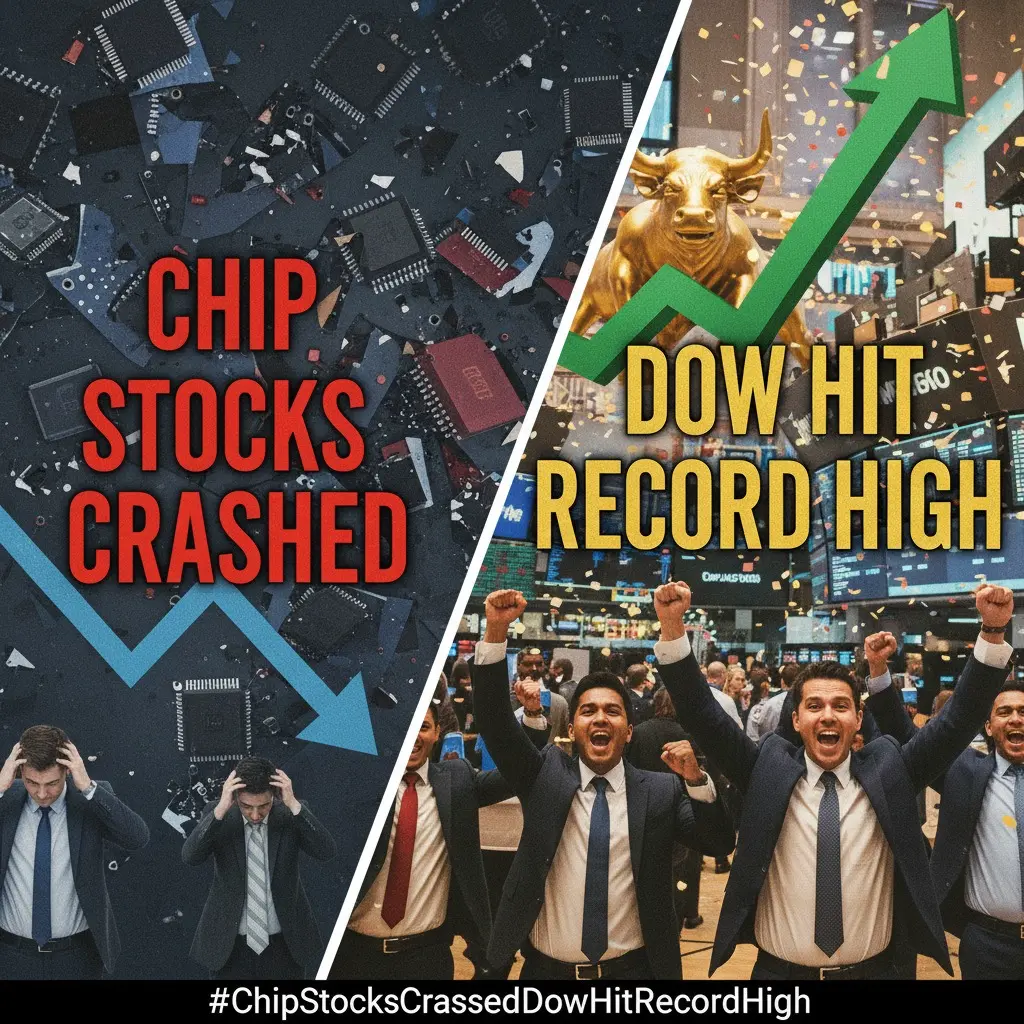
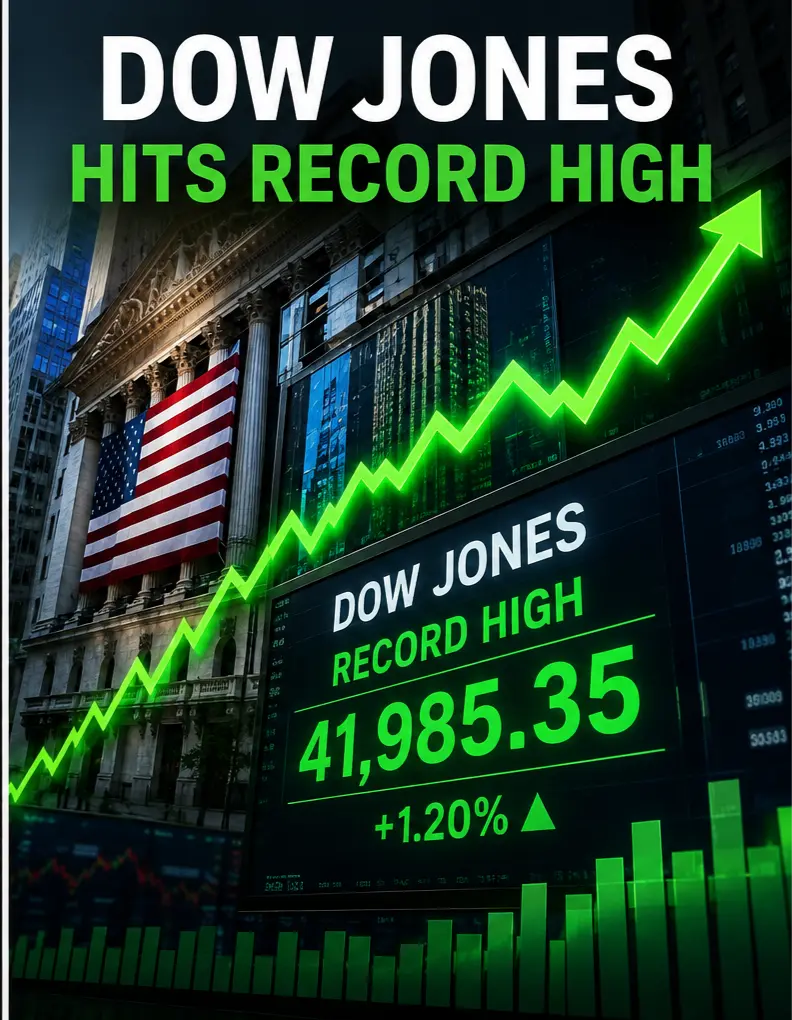
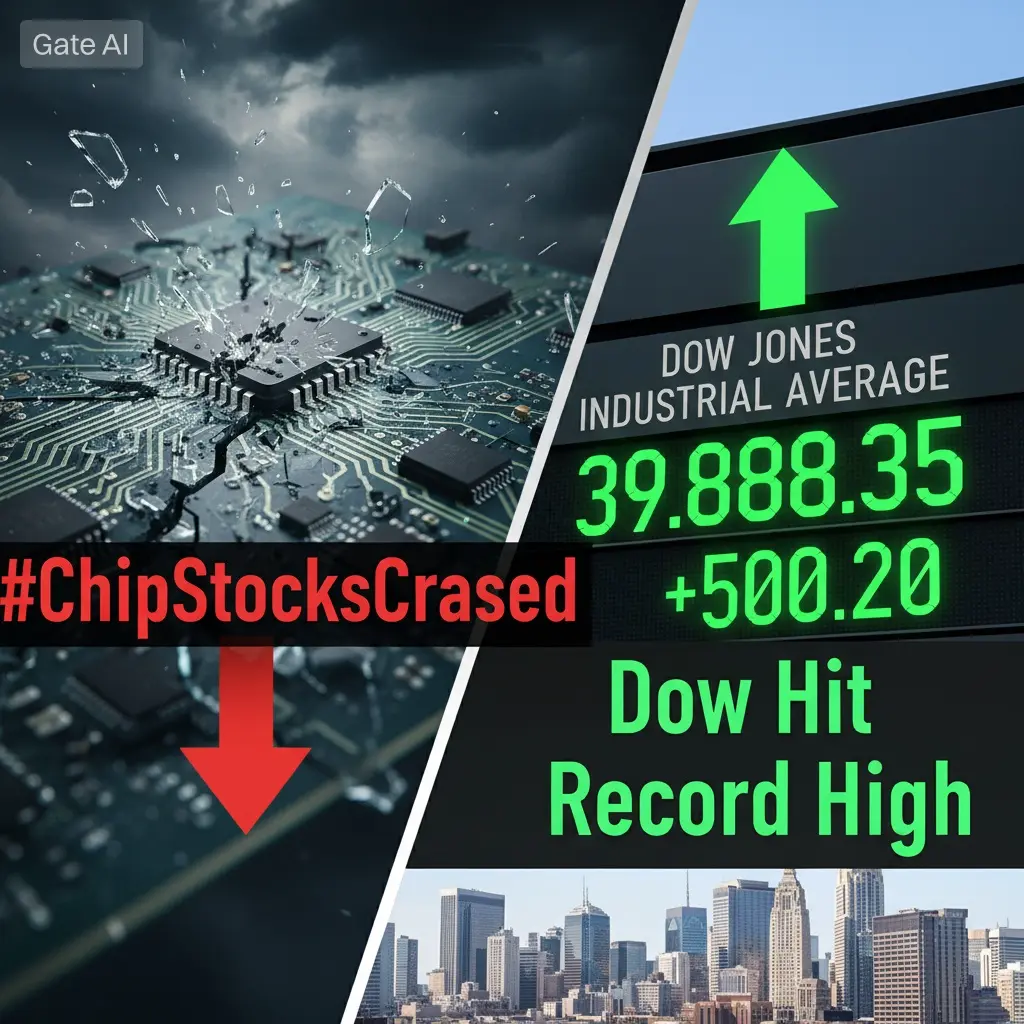
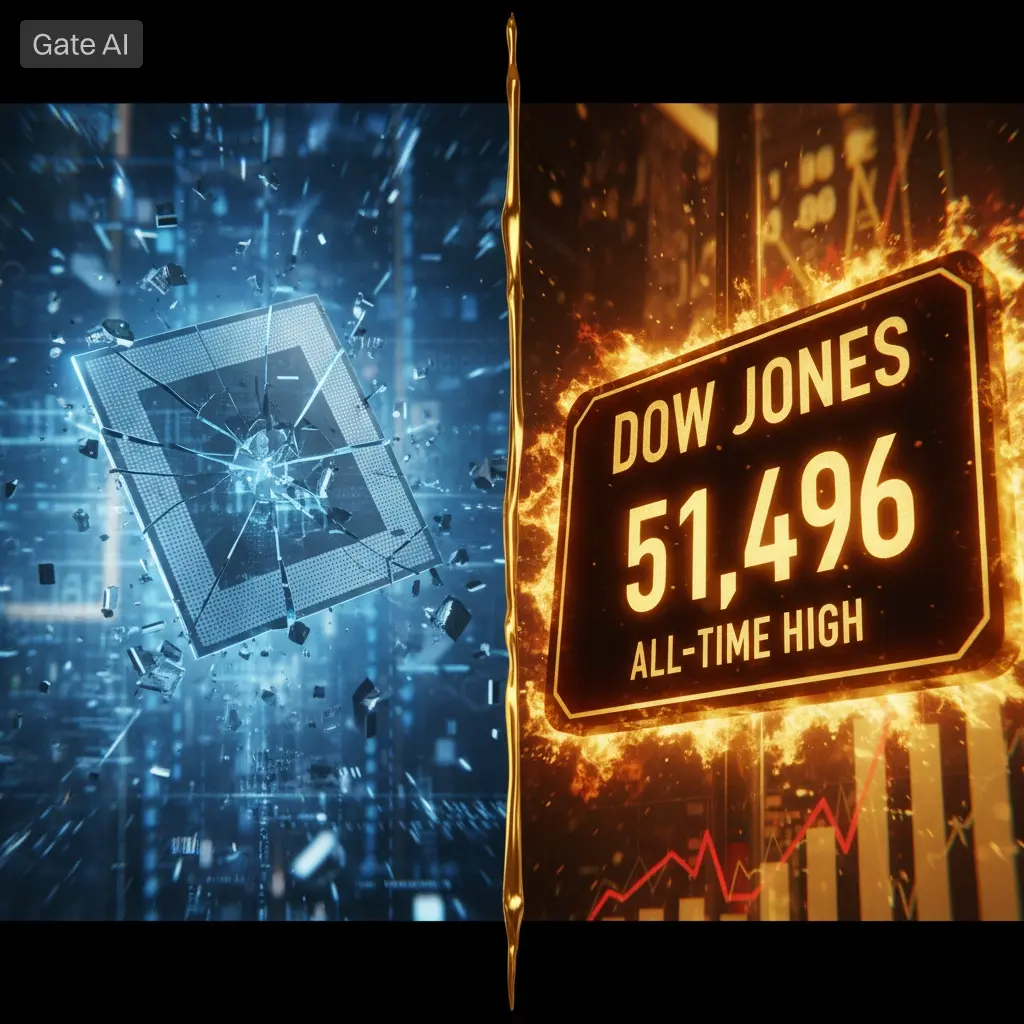
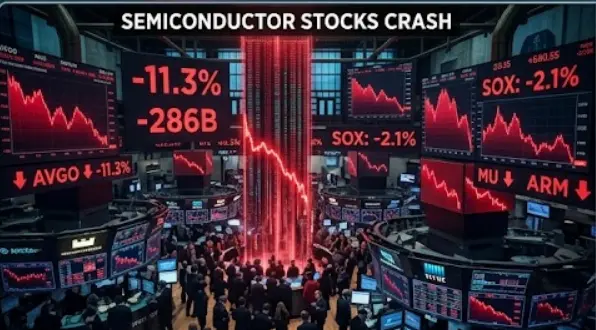
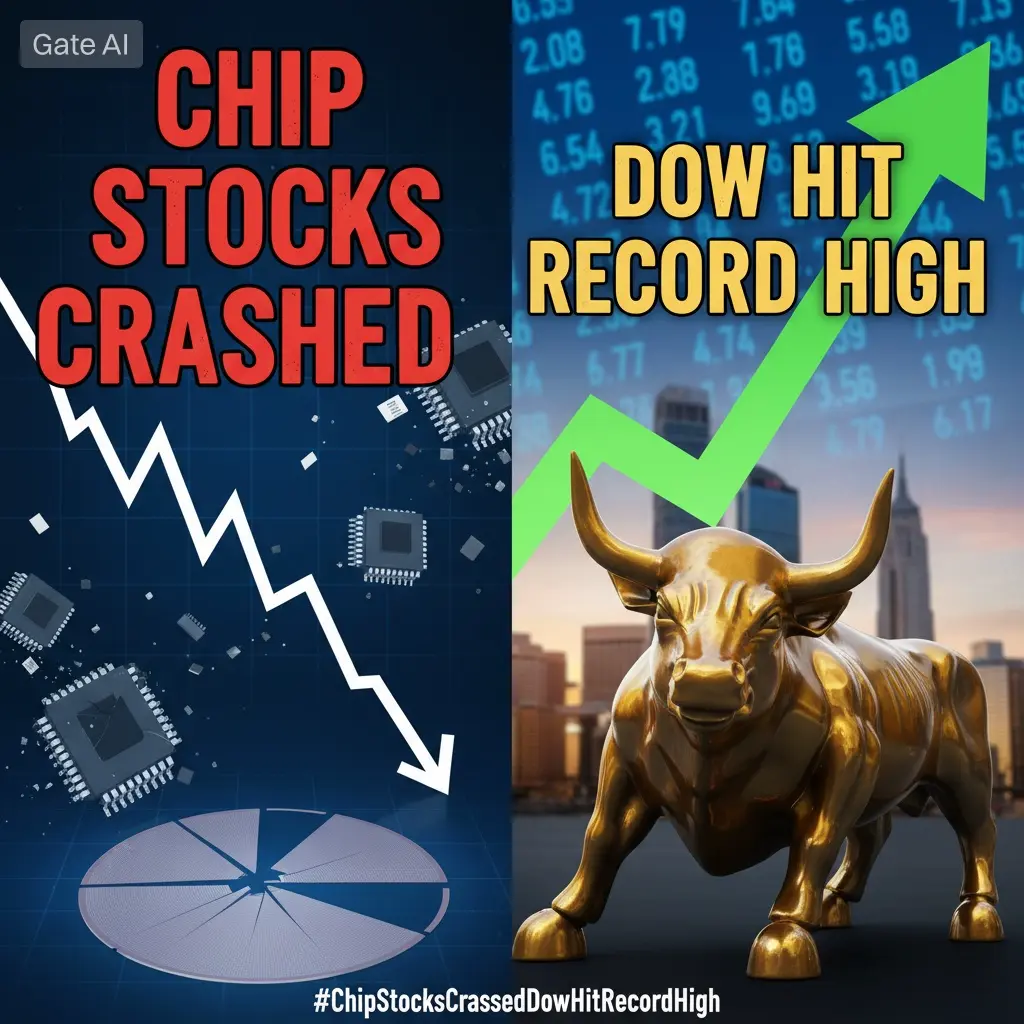
On June 4, US stocks showed extreme divergence. Broadcom plunged over 11% after its AI revenue guidance fell short of expectations, wiping out about 286 billion US dollars in market cap, dragging down Micron, Arm and other chip stocks. The Philadelphia Semiconductor Index fell more than 2%. However, the Dow surged nearly 810 points led by healthcare and financial stocks, closing at 51,496 for a record high. The S&P 500 edged up 0.53%, while the Nasdaq barely gained 0.23%. AI exuberance is cooling, but blue chips are taking over.

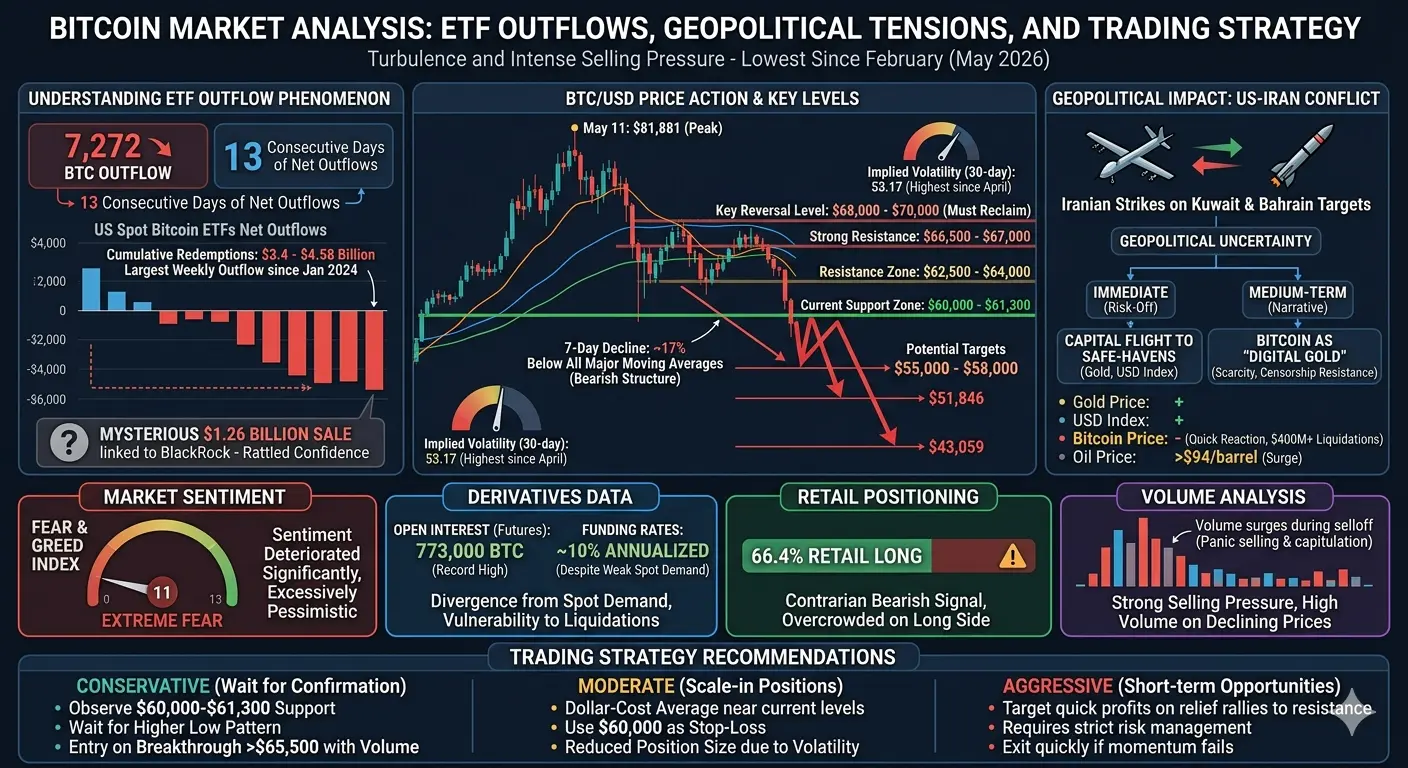
#TradeCFDWinGold #ChipStocksCrashedDowHitRecordHigh 📉 Market Flash: Deconstructing the 7,272 BTC Institutional Exodus & Global Macro Pressures
Bitcoin is currently navigating a "perfect storm." An aggressive combination of record-breaking ETF outflows, escalating geopolitical tensions, and a structural capital rotation into AI equities has pushed prices down, testing critical support levels.
Below is an institutional-grade breakdown of the core metrics, technical thresholds, and strategic plays required to navigate this high-volatility regime.
🏛️ The Institutional Shift: ETF Outflows & Capit
BTC-0.85%
post-image
post-image
post-image
  • Reward
  • 15
  • Repost
  • Share
MasterChuTheOldDemonMasterChu:
DYOR 🤓
View More
#ChipStocksCrashedDowHitRecordHigh
Broadcom Wiped $286 Billion in a Single Session While the Dow Hit an All-Time High — This Is the Rotation Every Trader Needs to Understand
Wednesday's US session delivered one of the most revealing single-day divergences of this entire market cycle and the message embedded in that price action goes far deeper than just chip stocks having a rough day.
Broadcom dropped over 11% after AI revenue guidance missed expectations. $286 billion in market cap erased in one session. Micron, Arm and the broader semiconductor index all got dragged into the selloff. The AI
post-image
  • Reward
  • 21
  • Repost
  • Share
ybaser:
Get in quickly!🚗
View More
🚨 The market is sending a message: AI is still the future, but investors are no longer willing to pay any price for growth. Capital is rotating toward profitability, cash flow, and balance-sheet strength. #ChipStocksCrashedDowHitRecordHigh
DragonFlyOfficial
#ChipStocksCrashedDowHitRecordHigh
Chip Stocks Crash While Dow Hits Record High: The Great Rotation Unfolds
The AI Trade Unravels
Thursday, June 4, 2026 will be remembered as the day the artificial intelligence trade finally took a breath—and the divergence between growth and value reached historic proportions. Broadcom, the semiconductor heavyweight that had ridden the AI wave to a 38% gain this year, plummeted over 11% in a single session, shedding approximately $286 billion in market capitalization. This wasn't just a correction; it was a reality check that rippled through the entire chip ecosystem.
The catalyst was disappointingly straightforward: Broadcom's AI chip revenue guidance of $16 billion fell short of the $17.2 billion analysts had expected, despite delivering a quarter that would have been considered stellar in any other context. CEO Hock Tan attempted to reassure investors by reiterating the company's long-term target of $100 billion in AI semiconductor revenue, but markets had already made their judgment. When expectations are priced for perfection, merely being excellent becomes a sin.
The contagion spread rapidly through the semiconductor complex. Micron Technology, a critical supplier of high-bandwidth memory for AI accelerators, cratered 7% as investors recalibrated AI capital expenditure expectations across the entire supply chain. Arm Holdings and other chip names joined the selloff, pushing the Philadelphia Semiconductor Index down more than 2%. This wasn't isolated weakness—it was a wholesale repricing of AI infrastructure demand.
The Blue Chip Renaissance
While technology burned, traditional American industry soared. The Dow Jones Industrial Average surged nearly 810 points to close at 51,496—a record high that capped one of the most dramatic sector rotations in recent memory. Healthcare and financial stocks, long dismissed as boring by AI-obsessed investors, suddenly became the belles of the ball.
UnitedHealth Group led the charge with a 3% gain after Bank of America upgraded the healthcare conglomerate to "buy," citing resilience and defensive characteristics that suddenly mattered again. Financial heavyweights including Goldman Sachs, JPMorgan Chase, Morgan Stanley, and Bank of America all hit fresh 52-week highs, their strong balance sheets and robust lending margins offering shelter in a storm of tech volatility.
The divergence was stark and unprecedented: nine of eleven S&P 500 sectors finished in positive territory, while technology—the sector that had carried markets for three consecutive years—became the sole laggard. The S&P 500 managed a modest 0.53% gain, and the Nasdaq Composite barely eked out a 0.23% advance, held back entirely by the crushing weight of chip stocks.
What This Rotation Tells Us
This wasn't merely profit-taking; it was a fundamental repricing of risk. For years, investors had paid any price for exposure to AI infrastructure, convinced that demand would justify valuations regardless of near-term profitability. Broadcom's guidance miss exposed the fragility of that assumption—when expectations become unmoored from reality, even strong results cannot satisfy.
The rotation into healthcare and financials reflects something deeper: a recognition that economic resilience matters. Healthcare offers demographic tailwinds and recession-resistant cash flows. Banks benefit from normalized interest rates and strong balance sheets. These are real businesses generating real profits today, not promises of transformative growth tomorrow.
Key Levels and Technical Significance
From a technical perspective, several levels now demand attention. Broadcom's $410 handle represents a critical support zone—having closed near $479 the previous session, the stock now sits more than 14% lower. The $400 psychological level becomes pivotal; a sustained break below could trigger further liquidation from momentum strategies that had piled into the name.
For the Dow, 51,500 emerges as the new frontier. The index's ability to sustain this breakout will determine whether this rotation has legs or represents a temporary rebalancing. Healthcare's breakout above resistance and financials' push to 52-week highs suggest institutional capital is genuinely redeploying, not merely parking on the sidelines.
The Philadelphia Semiconductor Index's decline through key moving averages signals that chip stocks may face continued pressure. With the index down over 2% while the broader market rallied, relative strength has definitively shifted away from the group that led markets since 2023.
Investment Implications
This rotation presents both danger and opportunity. Investors overweight in AI-adjacent names face the uncomfortable reality that even companies beating earnings can see double-digit declines if guidance disappoints. The margin for error has vanished.
Conversely, value-oriented sectors that had lagged the AI boom now offer asymmetric upside. Healthcare's combination of defensive characteristics and AI adoption potential makes it particularly compelling—companies that can demonstrate quality business models while participating in the AI revolution may be the true winners of the next phase.
The market is sending a clear message: growth at any price is no longer acceptable. As we enter a period where profitability, balance sheet strength, and cash generation regain importance, the rotation from tech to traditional industry may only be beginning. The AI revolution is real, but the market has finally started asking the right question—at what price?
repost-content-media
  • Reward
  • Comment
  • Repost
  • Share
#ChipStocksCrashedDowHitRecordHigh
⚡ $1.3 Trillion Erased in 48 Hours: Chip Stocks Crash While Dow Hits All-Time High
June 5, 2026 delivered one of the most dramatic market divergences in recent Wall Street history and it carries massive implications for crypto traders watching risk sentiment.
The Carnage:
The PHLX Semiconductor Index (.SOX) plunged 8.5% on Friday, its deepest single-day loss since the April 2025 "Liberation Day" tariff selloff. Combined with Thursday's losses, SOX dropped over 10% in just two sessions. The total market value erased from U.S. chip stocks exceeded $1.3 trillio
post-image
RedDragonOfficial
#ChipStocksCrashedDowHitRecordHigh
📊 Markets delivered a surprising contrast as chip stocks faced heavy selling pressure while the Dow climbed to a new record high. The divergence highlights how investors are rotating capital between sectors, with some taking profits in high-growth technology names and others seeking opportunities in more traditional industries.
💡 Market leadership can change quickly, and today's winners may not be tomorrow's. Staying diversified and keeping an eye on broader economic trends remains essential for navigating changing market conditions.
#ChipStocksCrashedDowHitRecordHigh #StockMarket #InvestingInsights
  • Reward
  • 14
  • Repost
  • Share
Luna_Star:
To The Moon 🌕
View More
#ChipStocksCrashedDowHitRecordHigh
The Market Just Sent One of the Clearest Messages of 2026 — Most Traders Are Looking at the Wrong Part of the Story
When people look back at this week's US market session, many will remember one headline:
Broadcom lost roughly $286 billion in market value in a single trading day.
That number is shocking on its own. Few companies in history have ever experienced a one-day destruction of value on that scale. But the real story isn't the size of the decline.
The real story is where the money went next.
Broadcom's earnings were strong by almost any traditional s
US300.31%
BTC-0.85%
post-image
post-image
  • Reward
  • 10
  • Repost
  • Share
BlackBullion_Alpha:
Ape In 🚀
View More
#ChipStocksCrashedDowHitRecordHigh Chip Stocks Crashed While the Dow Hit Record Highs: A Deep Market Reality Check
The global financial markets have recently shown a striking divergence that is capturing the attention of investors, analysts, and traders worldwide. On one side, semiconductor and chip-related stocks have experienced a sharp downturn, while on the other, the Dow Jones Industrial Average has pushed to fresh record highs. This unusual split between growth-heavy technology sectors and traditional industrial giants reflects a shifting sentiment in the market, where capital is rotatin
US30-0.01%
AmeliaGlow
#ChipStocksCrashedDowHitRecordHigh Chip Stocks Crashed While the Dow Hit Record Highs: A Deep Market Reality Check
The global financial markets have recently shown a striking divergence that is capturing the attention of investors, analysts, and traders worldwide. On one side, semiconductor and chip-related stocks have experienced a sharp downturn, while on the other, the Dow Jones Industrial Average has pushed to fresh record highs. This unusual split between growth-heavy technology sectors and traditional industrial giants reflects a shifting sentiment in the market, where capital is rotating away from high-growth expectations toward stability and value-driven sectors.
Chip stocks, once the undisputed leaders of the AI and technology boom, are now under pressure due to profit-taking, valuation concerns, and cyclical demand fears. Companies such as NVIDIA, which previously drove the AI rally with explosive earnings growth, are facing heightened scrutiny from investors. Even though long-term AI demand remains strong, short-term volatility is shaking confidence. Supply chain normalization, export restrictions, and expectations of slower margin expansion are contributing to this correction in semiconductor valuations.
At the same time, the Dow Jones Industrial Average is benefiting from a very different mix of sectors. Unlike tech-heavy indices, the Dow includes large, established companies from industries such as healthcare, banking, consumer goods, and energy. As investors become more cautious about overvalued tech stocks, money is rotating into these “defensive” sectors. This rotation is helping the Dow push higher even while the Nasdaq and chip-focused ETFs experience downward pressure.
Another key factor behind this divergence is interest rate expectations. As central banks maintain tighter monetary policies for longer, high-growth stocks—especially semiconductor companies—tend to suffer because their valuations depend heavily on future earnings. Higher interest rates reduce the present value of those future profits, making tech stocks less attractive compared to stable dividend-paying companies that dominate the Dow index. This macroeconomic pressure is quietly reshaping global portfolio allocations.
Market sentiment is also being influenced by geopolitical uncertainty and trade restrictions affecting semiconductor supply chains. Chips are now at the center of global economic competition, and any regulatory tightening or export limitation can immediately impact earnings forecasts. This has made chip stocks more sensitive to news flow, increasing volatility and triggering rapid sell-offs even on minor negative updates.
However, it is important to recognize that this is not necessarily a structural collapse in the semiconductor industry. Instead, it appears to be a correction phase after an extended rally fueled by AI optimism. The long-term outlook for chips remains tied to artificial intelligence, cloud computing, autonomous systems, and data infrastructure—all of which continue to expand globally. What we are witnessing is a rebalancing of expectations rather than the end of growth.
The contrast between chip stocks and the Dow also highlights an important investor psychology shift. During bullish phases, markets tend to reward innovation and aggressive growth. But when uncertainty increases, capital tends to move toward safety, profitability, and predictable cash flows. This is exactly what we are seeing now, with investors favoring industrial and financial giants over speculative tech momentum plays.
repost-content-media
  • Reward
  • 7
  • Repost
  • Share
HelalChowdhury:
To The Moon 🌕
View More
#ChipStocksCrashedDowHitRecordHigh
Chip Stocks Crashed While Dow Hit Record High #ChipStocksCrashedDowHitRecordHigh
US markets showed a sharp divergence on June 4, highlighting a clear split between AI-driven tech volatility and traditional blue-chip strength.
Broadcom dropped more than 11% after its AI revenue guidance failed to meet market expectations, wiping out approximately $286 billion in market value. The decline spilled over into other semiconductor names, including Micron and Arm, while the Philadelphia Semiconductor Index fell over 2%.
At the same time, the broader market told a ve
post-image
post-image
  • Reward
  • 12
  • Repost
  • Share
ybaser:
To The Moon 🌕
View More
#ChipStocksCrashedDowHitRecordHigh
𝗧𝗵𝗲 𝗚𝗿𝗲𝗮𝘁 𝗨𝗻𝗺𝗮𝘀𝗸𝗶𝗻𝗴 𝗼𝗳 𝟮𝟬𝟮𝟲: 𝗪𝗵𝘆 𝗖𝗵𝗶𝗽 𝗦𝘁𝗼𝗰𝗸𝘀 𝗖𝗿𝗮𝘀𝗵𝗲𝗱 𝗔𝘀 𝘁𝗵𝗲 𝗗𝗼𝘄 𝗥𝗲𝗮𝗰𝗵𝗲𝗱 𝗥𝗲𝗰𝗼𝗿𝗱 𝗛𝗶𝗴𝗵𝘀
June 2026 is becoming one of the most important turning points of the entire market cycle. For months, investors were convinced that artificial intelligence would continue driving semiconductor stocks to higher and higher valuations without interruption. Every earnings report, every new AI data center announcement, and every surge in demand for advanced chips reinforced the belief that semiconductor compani
post-image
  • Reward
  • 14
  • Repost
  • Share
Vortex_King:
LFG 🔥
View More
The market is delivering a powerful reminder that valuation still matters.
While AI remains one of the most transformative themes of this decade, recent weakness in semiconductor stocks highlights how elevated expectations can create significant volatility when growth projections fall short. Broadcom's sharp decline demonstrates that even strong companies are not immune when markets demand perfection.
At the same time, capital is rotating toward healthcare, financials, and other sectors with stable cash flows, resilient earnings, and attractive valuations. This shift doesn't necessarily signal
DragonFlyOfficial
#ChipStocksCrashedDowHitRecordHigh
Chip Stocks Crash While Dow Hits Record High: The Great Rotation Unfolds
The AI Trade Unravels
Thursday, June 4, 2026 will be remembered as the day the artificial intelligence trade finally took a breath—and the divergence between growth and value reached historic proportions. Broadcom, the semiconductor heavyweight that had ridden the AI wave to a 38% gain this year, plummeted over 11% in a single session, shedding approximately $286 billion in market capitalization. This wasn't just a correction; it was a reality check that rippled through the entire chip ecosystem.
The catalyst was disappointingly straightforward: Broadcom's AI chip revenue guidance of $16 billion fell short of the $17.2 billion analysts had expected, despite delivering a quarter that would have been considered stellar in any other context. CEO Hock Tan attempted to reassure investors by reiterating the company's long-term target of $100 billion in AI semiconductor revenue, but markets had already made their judgment. When expectations are priced for perfection, merely being excellent becomes a sin.
The contagion spread rapidly through the semiconductor complex. Micron Technology, a critical supplier of high-bandwidth memory for AI accelerators, cratered 7% as investors recalibrated AI capital expenditure expectations across the entire supply chain. Arm Holdings and other chip names joined the selloff, pushing the Philadelphia Semiconductor Index down more than 2%. This wasn't isolated weakness—it was a wholesale repricing of AI infrastructure demand.
The Blue Chip Renaissance
While technology burned, traditional American industry soared. The Dow Jones Industrial Average surged nearly 810 points to close at 51,496—a record high that capped one of the most dramatic sector rotations in recent memory. Healthcare and financial stocks, long dismissed as boring by AI-obsessed investors, suddenly became the belles of the ball.
UnitedHealth Group led the charge with a 3% gain after Bank of America upgraded the healthcare conglomerate to "buy," citing resilience and defensive characteristics that suddenly mattered again. Financial heavyweights including Goldman Sachs, JPMorgan Chase, Morgan Stanley, and Bank of America all hit fresh 52-week highs, their strong balance sheets and robust lending margins offering shelter in a storm of tech volatility.
The divergence was stark and unprecedented: nine of eleven S&P 500 sectors finished in positive territory, while technology—the sector that had carried markets for three consecutive years—became the sole laggard. The S&P 500 managed a modest 0.53% gain, and the Nasdaq Composite barely eked out a 0.23% advance, held back entirely by the crushing weight of chip stocks.
What This Rotation Tells Us
This wasn't merely profit-taking; it was a fundamental repricing of risk. For years, investors had paid any price for exposure to AI infrastructure, convinced that demand would justify valuations regardless of near-term profitability. Broadcom's guidance miss exposed the fragility of that assumption—when expectations become unmoored from reality, even strong results cannot satisfy.
The rotation into healthcare and financials reflects something deeper: a recognition that economic resilience matters. Healthcare offers demographic tailwinds and recession-resistant cash flows. Banks benefit from normalized interest rates and strong balance sheets. These are real businesses generating real profits today, not promises of transformative growth tomorrow.
Key Levels and Technical Significance
From a technical perspective, several levels now demand attention. Broadcom's $410 handle represents a critical support zone—having closed near $479 the previous session, the stock now sits more than 14% lower. The $400 psychological level becomes pivotal; a sustained break below could trigger further liquidation from momentum strategies that had piled into the name.
For the Dow, 51,500 emerges as the new frontier. The index's ability to sustain this breakout will determine whether this rotation has legs or represents a temporary rebalancing. Healthcare's breakout above resistance and financials' push to 52-week highs suggest institutional capital is genuinely redeploying, not merely parking on the sidelines.
The Philadelphia Semiconductor Index's decline through key moving averages signals that chip stocks may face continued pressure. With the index down over 2% while the broader market rallied, relative strength has definitively shifted away from the group that led markets since 2023.
Investment Implications
This rotation presents both danger and opportunity. Investors overweight in AI-adjacent names face the uncomfortable reality that even companies beating earnings can see double-digit declines if guidance disappoints. The margin for error has vanished.
Conversely, value-oriented sectors that had lagged the AI boom now offer asymmetric upside. Healthcare's combination of defensive characteristics and AI adoption potential makes it particularly compelling—companies that can demonstrate quality business models while participating in the AI revolution may be the true winners of the next phase.
The market is sending a clear message: growth at any price is no longer acceptable. As we enter a period where profitability, balance sheet strength, and cash generation regain importance, the rotation from tech to traditional industry may only be beginning. The AI revolution is real, but the market has finally started asking the right question—at what price?
repost-content-media
  • Reward
  • 7
  • Repost
  • Share
QueenOfTheDay:
To The Moon 🌕
View More
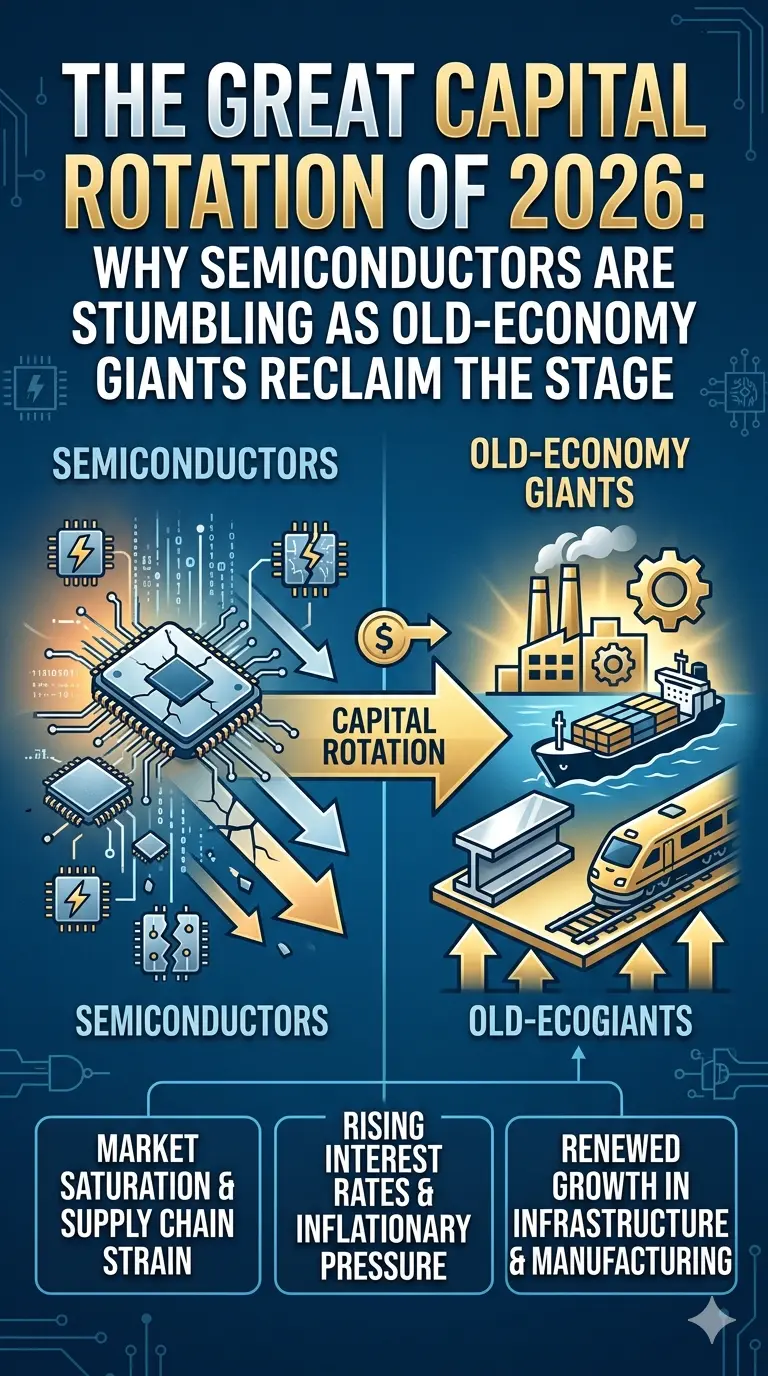
𝗧𝗵𝗲 𝗚𝗿𝗲𝗮𝘁 𝗖𝗮𝗽𝗶𝘁𝗮𝗹 𝗥𝗼𝘁𝗮𝘁𝗶𝗼𝗻 𝗢𝗳 𝟮𝟬𝟮𝟲: 𝗪𝗵𝘆 𝗦𝗲𝗺𝗶𝗰𝗼𝗻𝗱𝘂𝗰𝘁𝗼𝗿𝘀 𝗔𝗿𝗲 𝗦𝘁𝘂𝗺𝗯𝗹𝗶𝗻𝗴 𝗔𝘀 𝗢𝗹𝗱-𝗘𝗰𝗼𝗻𝗼𝗺𝘆 𝗚𝗶𝗮𝗻𝘁𝘀 𝗥𝗲𝗰𝗹𝗮𝗶𝗺 𝗧𝗵𝗲 𝗦𝘁𝗮𝗴𝗲
Financial markets are often misunderstood because investors focus on prices, while institutions focus on capital flows. The recent divergence between declining semiconductor stocks and record highs in the Dow Jones is not a contradiction. It is a signal. Beneath the headlines, one of the most important reallocations of capital in recent years may already be underway.
For nearly three years, the ma
MrFlower_XingChen
𝗧𝗵𝗲 𝗚𝗿𝗲𝗮𝘁 𝗖𝗮𝗽𝗶𝘁𝗮𝗹 𝗥𝗼𝘁𝗮𝘁𝗶𝗼𝗻 𝗢𝗳 𝟮𝟬𝟮𝟲: 𝗪𝗵𝘆 𝗦𝗲𝗺𝗶𝗰𝗼𝗻𝗱𝘂𝗰𝘁𝗼𝗿𝘀 𝗔𝗿𝗲 𝗦𝘁𝘂𝗺𝗯𝗹𝗶𝗻𝗴 𝗔𝘀 𝗢𝗹𝗱-𝗘𝗰𝗼𝗻𝗼𝗺𝘆 𝗚𝗶𝗮𝗻𝘁𝘀 𝗥𝗲𝗰𝗹𝗮𝗶𝗺 𝗧𝗵𝗲 𝗦𝘁𝗮𝗴𝗲
Financial markets are often misunderstood because investors focus on prices, while institutions focus on capital flows. The recent divergence between declining semiconductor stocks and record highs in the Dow Jones is not a contradiction. It is a signal. Beneath the headlines, one of the most important reallocations of capital in recent years may already be underway.
For nearly three years, the market operated under a single dominant narrative: Artificial Intelligence would consume the world. Investors poured capital into chip manufacturers, data-center operators, cloud providers, networking companies, and every business connected to AI infrastructure. The result was extraordinary wealth creation. Semiconductor leaders became the new market generals, driving a significant portion of global equity gains. However, every powerful narrative eventually reaches a point where expectations become more important than reality.
The challenge facing semiconductor stocks today is not weak demand. The challenge is that investors have already priced in years of exceptional growth. Markets are forward-looking mechanisms. By the time AI demand becomes obvious to everyone, much of that future optimism has already been reflected in valuations. As a result, even strong earnings reports can trigger selling pressure because investors are comparing reality against extremely ambitious expectations rather than against historical performance.
At the same time, a different story is quietly developing. Capital is beginning to flow toward sectors that spent years being ignored while technology dominated headlines. Industrial manufacturers, transportation companies, financial institutions, energy producers, healthcare firms, and infrastructure businesses are increasingly attracting institutional interest. This shift reflects growing confidence that economic growth is becoming broader and more sustainable rather than being concentrated exclusively within the technology sector.
One of the strongest forces behind this rotation is the changing nature of the AI economy itself. During the early stages of an innovation cycle, investors reward the companies building the technology. During later stages, they begin rewarding the companies using the technology. The first phase creates winners among chip designers and cloud providers. The second phase benefits factories, logistics companies, banks, healthcare providers, and industrial businesses that successfully deploy AI to increase productivity and profitability. Markets may be signaling that we are beginning to transition from one phase to the next.
Another critical factor is liquidity efficiency. Institutional investors managing hundreds of billions of dollars constantly search for assets offering the highest expected return relative to risk. After years of outperformance, many semiconductor companies now trade at valuation multiples that require near-perfect execution. In contrast, several industrial and financial businesses continue trading at significantly lower valuations despite improving earnings prospects. When this valuation gap becomes large enough, capital naturally seeks opportunities with more attractive risk-reward characteristics.
The bond market is also playing an increasingly important role. Higher interest rates and elevated bond yields create a valuation headwind for long-duration growth assets. Companies whose valuations depend heavily on future earnings become more sensitive to changes in discount rates. Mature businesses generating strong cash flows today often become relatively more attractive under these conditions. This dynamic helps explain why investors may simultaneously reduce exposure to certain growth sectors while increasing exposure to traditional industries.
What makes the current environment particularly fascinating is that this is not necessarily a bearish signal for technology. Instead, it may represent the evolution of a healthier bull market. Historically, the strongest and longest-lasting market advances occur when leadership broadens beyond a handful of high-growth companies. A market driven exclusively by technology can become fragile. A market supported by technology, industrials, healthcare, finance, and consumer sectors simultaneously becomes far more resilient.
The implications extend beyond equities. Cryptocurrency markets, commodities, private equity, and venture capital all compete for the same global pool of liquidity. When institutions rotate capital between sectors, the effects ripple throughout the entire financial ecosystem. Understanding these flows is often more valuable than analyzing individual headlines because capital movement frequently determines market direction long before narratives catch up.
Perhaps the most important lesson is that markets rarely reward consensus forever. The sectors generating the greatest excitement often attract excessive capital, while overlooked areas quietly improve beneath the surface. Successful investors recognize these transitions early. They understand that leadership changes are not signs of market weakness but evidence of capital searching for the next opportunity.
MrFlower_XingChen believes the recent divergence between semiconductor stocks and the Dow Jones is not the end of the AI bull market—it is the beginning of a more mature phase. AI remains one of the most powerful investment themes of the decade, but the beneficiaries may expand beyond chip manufacturers into the broader economy. The next wave of winners could be the companies that apply artificial intelligence most effectively rather than those that simply build the infrastructure. In that sense, the market is not abandoning innovation—it is spreading innovation throughout the entire economic system.
#ChipStocksCrashedDowHitRecordHigh
#TradeCFDWinGold #StockTradingChallengeUpTo17000U #DailyPolymarketHotspot
@Gate_Square
@GateSquare
repost-content-media
  • Reward
  • 19
  • Repost
  • Share
ybaser:
To The Moon 🌕
View More
Load More