



#SaylorHintsAtMoreBTC
𝐒𝐚𝐲𝐥𝐨𝐫 𝐇𝐢𝐧𝐭𝐬 𝐀𝐭 𝐌𝐨𝐫𝐞 𝐁𝐓𝐂: "𝐖𝐨𝐫𝐤𝐢𝐧𝐠 𝐁𝐞𝐭𝐭𝐞𝐫" 𝐒𝐩𝐚𝐫𝐤𝐬 𝐀𝐜𝐪𝐮𝐢𝐬𝐢𝐭𝐢𝐨𝐧 𝐒𝐩𝐞𝐥𝐚𝐭𝐢𝐨𝐧 𝐀𝐬 𝐒𝐭𝐫𝐚𝐭𝐞𝐠𝐲 𝐇𝐨𝐥𝐝𝐬 𝟖𝟒𝟒𝐊 𝐁𝐢𝐭𝐜𝐨𝐢𝐧
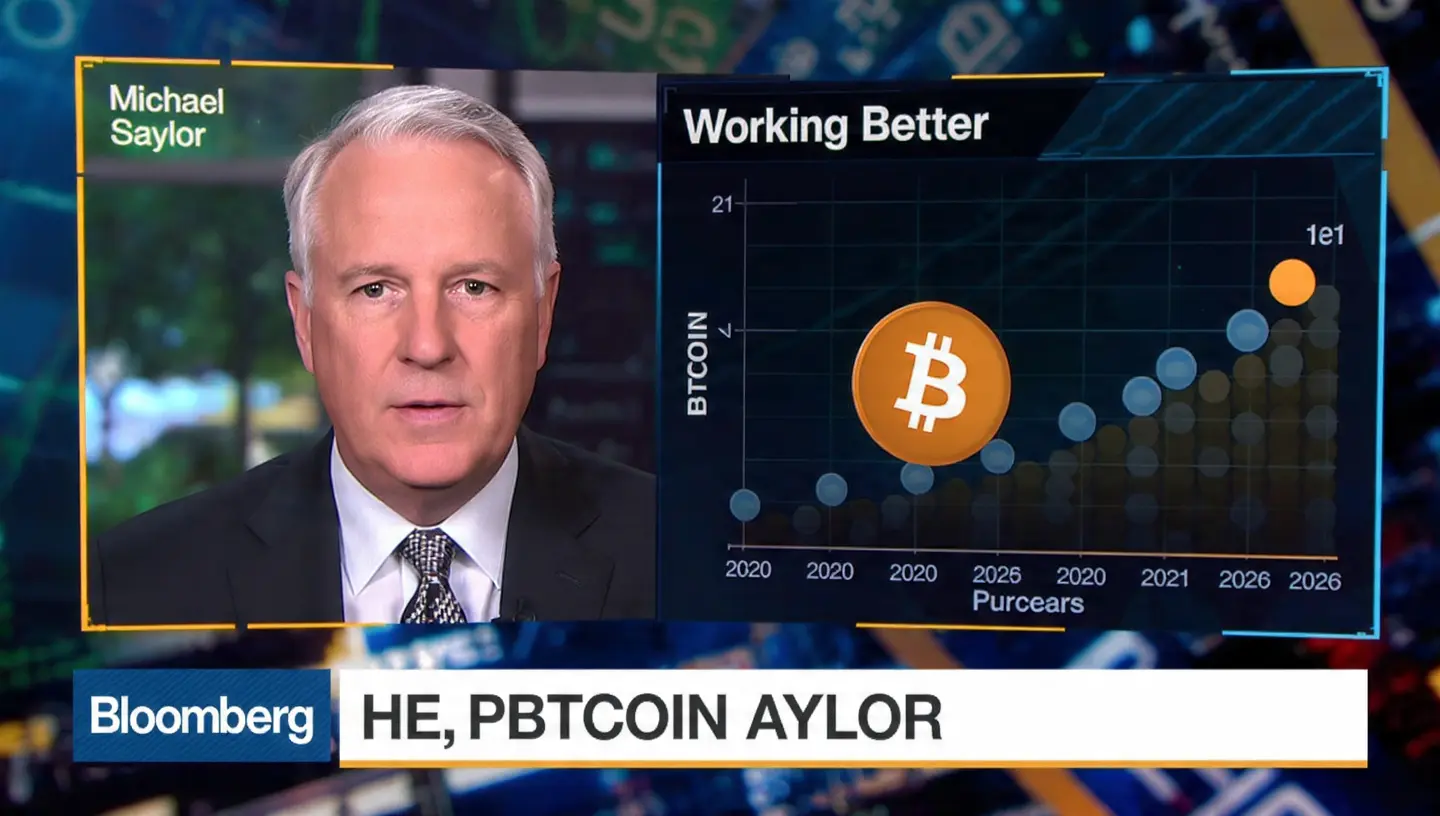
Michael Saylor has done it again or rather, he's done that thing he always does, the thing that has become one of the most recognizable rituals in the entire cryptocurrency ecosystem. On May 31, the executive chairman of Strategy posted two words on social media: "𝐖𝐨𝐫𝐤𝐢𝐧𝐠 𝐁𝐞𝐭𝐭𝐞𝐫." Beside those words sat a bubble chart — a visual ledger tracking every single Bitcoin purchase the company has made since it first entered the market in 2020. Each bubble, sized and positioned to reflect the scale and timing of the acquisition, told a story that thousands of analysts and traders have now learned to read like scripture.
This is not the first time Saylor has used this exact pattern. The sequence is almost formulaic at this point: a brief, enigmatic message, a chart documenting past purchases, and then within days, sometimes within hours a formal SEC filing revealing that Strategy has added thousands more Bitcoin to its treasury. The "𝐖𝐨𝐫𝐤𝐢𝐧𝐠 𝐁𝐞𝐭𝐭𝐞𝐫" post follows this lineage with precision. Similar posts in the past "𝐆𝐨𝐧𝐧𝐚 𝐁𝐞 𝐁𝐢𝐠," "𝐒𝐨𝐦𝐞𝐭𝐡𝐢𝐧𝐠 𝐈𝐬 𝐖𝐨𝐫𝐤𝐢𝐧𝐠," and others have each preceded new acquisition announcements, and the market has learned to treat these signals not as speculation but as near-certain previews of capital deployment.
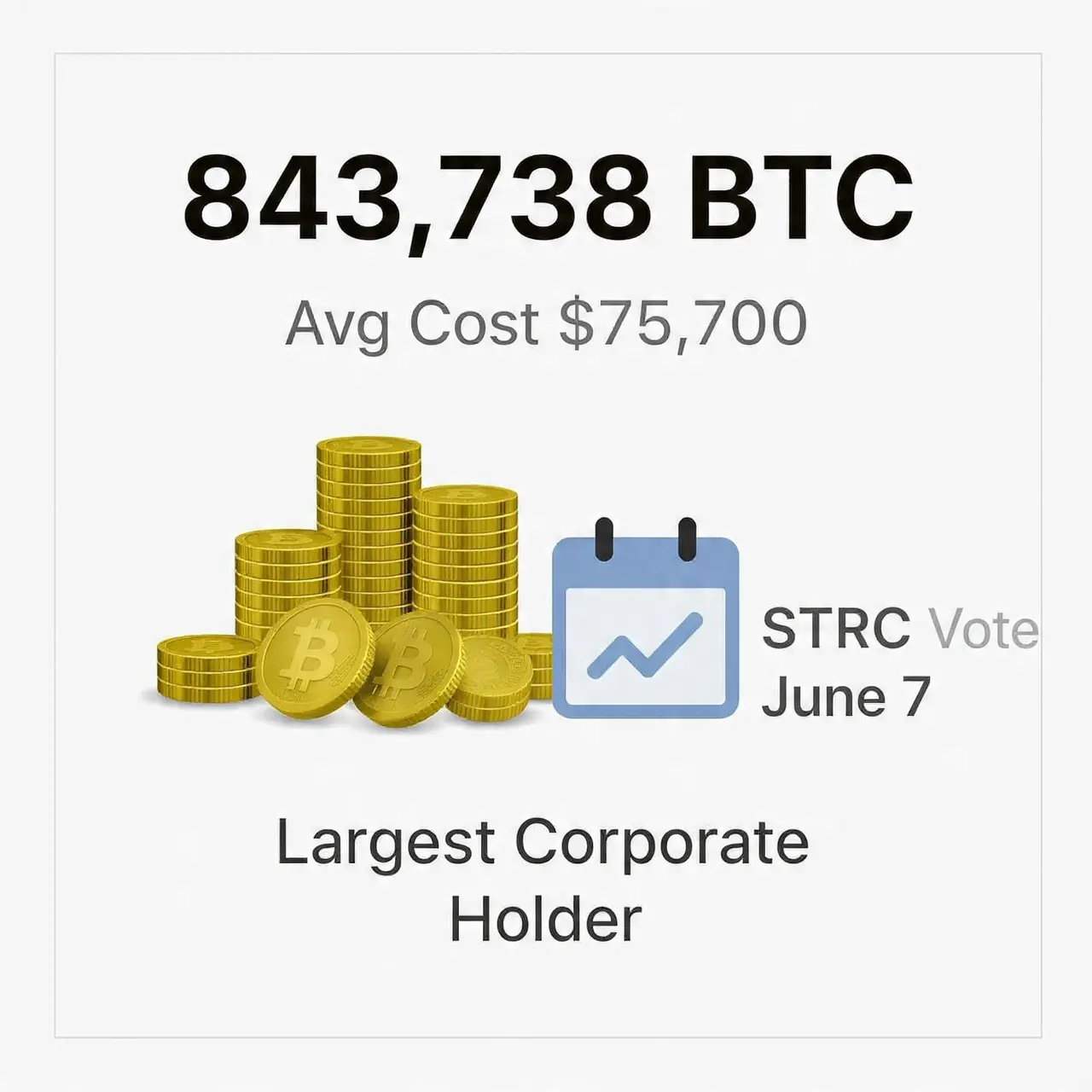
Strategy currently holds 𝟖𝟒𝟑,𝟕𝟑𝟖 𝐁𝐓𝐂, making it the single largest corporate Bitcoin holder on the planet — a position so dominant that the company's treasury decisions now function as a macroeconomic variable in their own right. When Strategy buys, it absorbs supply from the market in quantities that ordinary institutional or retail demand cannot match. Each acquisition cycle removes coins from circulation at a pace that intersects meaningfully with Bitcoin's fixed issuance schedule, creating a structural supply squeeze that reinforces price momentum even in neutral or bearish market conditions. The average acquisition cost sits at approximately $𝟕𝟓,𝟕𝟎𝟏 per coin — a figure that has fluctuated with each new purchase but has consistently remained below the prevailing market price during most of Strategy's holding period, reflecting Saylor's discipline in buying during dips and his willingness to deploy capital at scale regardless of short-term sentiment.
The bubble chart itself is a masterclass in narrative compression. It transforms what would otherwise be a dry sequence of SEC filings and press releases into a single, emotionally resonant image. The earliest purchases — made in 2020 when Bitcoin traded below $𝟏𝟎,𝟎𝟎𝟎 — appear as smaller bubbles clustered near the bottom left, representing the foundation of Saylor's conviction at a time when most corporate executives still viewed cryptocurrency as speculative noise. As the chart progresses forward through 𝟐𝟎𝟐𝟏, 𝟐𝟎𝟐𝟐, and 𝟐𝟎𝟐𝟑, the bubbles shift upward and expand, mapping both the rising price environment and Strategy's escalating commitment. The most recent bubbles — the ones representing purchases made in late 𝟐𝟎𝟐𝟓 and early 𝟐𝟎𝟐𝟔 — are positioned at price levels that would have seemed implausible to the 𝟐𝟎𝟐𝟐-era market, yet they exist because Saylor's conviction has never wavered, not during the 𝟖𝟎% drawdowns, not during the regulatory crackdowns, not during the existential debates about Bitcoin's energy consumption or its role in institutional portfolios.
The market's reaction to the "𝐖𝐨𝐫𝐘𝐢𝐧𝐠 𝐁𝐞𝐭𝐭𝐞𝐫" post was immediate and reflexive. Bitcoin's price ticked upward within minutes of the post's appearance, not because any fundamental data had changed but because the signal itself has become a self-reinforcing mechanism. Traders know that when Saylor teases an acquisition, the resulting buy order will be large enough to produce a measurable price impact. This knowledge creates anticipatory positioning — market participants buy in advance of the expected announcement, pushing the price up before Strategy's capital even enters the market. The reflexivity loop is well-established: Saylor signals → market anticipates → price rises → Saylor buys at a higher entry point → the completed acquisition confirms the signal → conviction strengthens → the next signal triggers another anticipatory cycle. Whether this dynamic is healthy for the market in the long term is debatable, but its short-term effect is unambiguous — every Saylor post functions as a mini-catalyst that compresses upward price pressure into a narrow time window.
Beyond the immediate market mechanics, the post carries implications for Strategy's corporate governance trajectory. A proxy vote on the company's 𝐒𝐓𝐑𝐂 dividend adjustment is scheduled for 𝐉𝐮𝐧𝐞 𝟕, a date that now sits in uncomfortable proximity to a potential new Bitcoin acquisition announcement. The STRC structure — a preferred stock instrument designed to provide dividend-like returns while preserving the company's Bitcoin-focused capital allocation strategy — has been a subject of ongoing investor debate. Some shareholders view it as a necessary compromise that allows Strategy to offer yield without selling Bitcoin from its treasury; others argue that it dilutes the purity of Saylor's original vision, which was predicated on the idea that the company's sole purpose should be accumulating and holding Bitcoin indefinitely. The June 𝟕 proxy vote will determine whether the STRC dividend adjustment is approved, and the outcome will send a signal about how Strategy's investor base balances the desire for yield against the commitment to maximal Bitcoin accumulation. If Saylor announces a new purchase before or during the vote, it could tilt the dynamic — a fresh acquisition would remind shareholders that the treasury strategy is delivering results, potentially making the STRC adjustment more palatable to those who might otherwise oppose it.
The broader context matters. Strategy's Bitcoin holdings now represent a financial position of such magnitude that they intersect with themes far beyond corporate treasury management. The company's 𝟖𝟒𝟑,𝟕𝟑𝟖 BTC constitute roughly 𝟒% of Bitcoin's total 𝟐𝟏-million-coin supply — a concentration level that raises questions about market structure, liquidity depth, and the potential consequences of any future decision to reduce the position. Saylor has repeatedly stated that Strategy will never sell its Bitcoin, and his track record of holding through every drawdown lends credibility to that claim. But "never" is a word that exists in the domain of conviction, not the domain of financial engineering, and the sheer size of the position means that any deviation from the hold-forever posture — whether forced by regulatory action, shareholder revolt, or an unforeseen liquidity crisis — would produce market effects disproportionate to the underlying cause. The market is pricing not just the probability of a new purchase but also the structural implications of Strategy's accumulated dominance.
There is also a philosophical dimension that Saylor's posts consistently activate, even if it remains unstated. The "𝐖𝐨𝐫𝐤𝐢𝐧𝐠 𝐁𝐞𝐭𝐭𝐞𝐫" phrase is not merely a teaser for a purchase — it is an assertion that the strategy itself is working, that the thesis of converting a declining-yield corporate treasury into a Bitcoin-denominated reserve asset has been validated by results. Every bubble on the chart is evidence. Every purchase that was subsequently vindicated by price appreciation is proof. The post is not just asking the market to watch for the next acquisition; it is asking the market to acknowledge that the entire conceptual framework — the idea that a public company can restructure its identity around a single digital asset and deliver compounding returns to shareholders by doing so — has moved from theoretical provocation to established reality.
The market is watching. Analysts are watching. Shareholders are watching. The entire cryptocurrency ecosystem is watching, because when Michael Saylor posts two words and a chart, the next move is never just a purchase — it is a statement about where Bitcoin is going, who is willing to fund that journey, and whether the conviction that began in 𝟐𝟎𝟐𝟐 with a single, controversial corporate decision has evolved into something that the mainstream financial world can no longer dismiss. June 𝟕 will bring the proxy vote. The days between now and then will bring the speculation, the anticipatory positioning, and — if the pattern holds — the announcement that Saylor has once again put capital behind conviction, adding yet another bubble to a chart that has already rewritten the rules of corporate treasury management for an entire generation of companies watching from the sidelines.
The signal is live. The pattern is established. The question is not whether Strategy will buy more Bitcoin — the question is how much, at what price, and whether this latest acquisition will be the one that finally pushes the company's holdings past the threshold where they can no longer be analyzed as a corporate strategy but must instead be understood as a structural feature of the Bitcoin network itself. 𝐒𝐚𝐲𝐥𝐨𝐫 𝐡𝐚𝐬 𝐬𝐩𝐨𝐤𝐞𝐧. 𝐓𝐡𝐞 𝐦𝐚𝐫𝐤𝐞𝐭 𝐢𝐬 𝐥𝐢𝐬𝐭𝐞𝐧𝐢𝐧𝐠. 𝐓𝐡𝐞 𝐧𝐞𝐱𝐭 𝐛𝐮𝐛𝐛𝐥𝐞 𝐢𝐬 𝐜𝐨𝐦𝐢𝐧𝐠.
𝐒𝐚𝐲𝐥𝐨𝐫 𝐇𝐢𝐧𝐭𝐬 𝐀𝐭 𝐌𝐨𝐫𝐞 𝐁𝐓𝐂: "𝐖𝐨𝐫𝐤𝐢𝐧𝐠 𝐁𝐞𝐭𝐭𝐞𝐫" 𝐒𝐩𝐚𝐫𝐤𝐬 𝐀𝐜𝐪𝐮𝐢𝐬𝐢𝐭𝐢𝐨𝐧 𝐒𝐩𝐞𝐥𝐚𝐭𝐢𝐨𝐧 𝐀𝐬 𝐒𝐭𝐫𝐚𝐭𝐞𝐠𝐲 𝐇𝐨𝐥𝐝𝐬 𝟖𝟒𝟒𝐊 𝐁𝐢𝐭𝐜𝐨𝐢𝐧
Michael Saylor has done it again or rather, he's done that thing he always does, the thing that has become one of the most recognizable rituals in the entire cryptocurrency ecosystem. On May 31, the executive chairman of Strategy posted two words on social media: "𝐖𝐨𝐫𝐤𝐢𝐧𝐠 𝐁𝐞𝐭𝐭𝐞𝐫." Beside those words sat a bubble chart — a visual ledger tracking every single Bitcoin purchase the company has made since it first entered the market in 2020. Each bubble, sized and positioned to reflect the scale and timing of the acquisition, told a story that thousands of analysts and traders have now learned to read like scripture.
This is not the first time Saylor has used this exact pattern. The sequence is almost formulaic at this point: a brief, enigmatic message, a chart documenting past purchases, and then within days, sometimes within hours a formal SEC filing revealing that Strategy has added thousands more Bitcoin to its treasury. The "𝐖𝐨𝐫𝐤𝐢𝐧𝐠 𝐁𝐞𝐭𝐭𝐞𝐫" post follows this lineage with precision. Similar posts in the past "𝐆𝐨𝐧𝐧𝐚 𝐁𝐞 𝐁𝐢𝐠," "𝐒𝐨𝐦𝐞𝐭𝐡𝐢𝐧𝐠 𝐈𝐬 𝐖𝐨𝐫𝐤𝐢𝐧𝐠," and others have each preceded new acquisition announcements, and the market has learned to treat these signals not as speculation but as near-certain previews of capital deployment.
Strategy currently holds 𝟖𝟒𝟑,𝟕𝟑𝟖 𝐁𝐓𝐂, making it the single largest corporate Bitcoin holder on the planet — a position so dominant that the company's treasury decisions now function as a macroeconomic variable in their own right. When Strategy buys, it absorbs supply from the market in quantities that ordinary institutional or retail demand cannot match. Each acquisition cycle removes coins from circulation at a pace that intersects meaningfully with Bitcoin's fixed issuance schedule, creating a structural supply squeeze that reinforces price momentum even in neutral or bearish market conditions. The average acquisition cost sits at approximately $𝟕𝟓,𝟕𝟎𝟏 per coin — a figure that has fluctuated with each new purchase but has consistently remained below the prevailing market price during most of Strategy's holding period, reflecting Saylor's discipline in buying during dips and his willingness to deploy capital at scale regardless of short-term sentiment.
The bubble chart itself is a masterclass in narrative compression. It transforms what would otherwise be a dry sequence of SEC filings and press releases into a single, emotionally resonant image. The earliest purchases — made in 2020 when Bitcoin traded below $𝟏𝟎,𝟎𝟎𝟎 — appear as smaller bubbles clustered near the bottom left, representing the foundation of Saylor's conviction at a time when most corporate executives still viewed cryptocurrency as speculative noise. As the chart progresses forward through 𝟐𝟎𝟐𝟏, 𝟐𝟎𝟐𝟐, and 𝟐𝟎𝟐𝟑, the bubbles shift upward and expand, mapping both the rising price environment and Strategy's escalating commitment. The most recent bubbles — the ones representing purchases made in late 𝟐𝟎𝟐𝟓 and early 𝟐𝟎𝟐𝟔 — are positioned at price levels that would have seemed implausible to the 𝟐𝟎𝟐𝟐-era market, yet they exist because Saylor's conviction has never wavered, not during the 𝟖𝟎% drawdowns, not during the regulatory crackdowns, not during the existential debates about Bitcoin's energy consumption or its role in institutional portfolios.
The market's reaction to the "𝐖𝐨𝐫𝐘𝐢𝐧𝐠 𝐁𝐞𝐭𝐭𝐞𝐫" post was immediate and reflexive. Bitcoin's price ticked upward within minutes of the post's appearance, not because any fundamental data had changed but because the signal itself has become a self-reinforcing mechanism. Traders know that when Saylor teases an acquisition, the resulting buy order will be large enough to produce a measurable price impact. This knowledge creates anticipatory positioning — market participants buy in advance of the expected announcement, pushing the price up before Strategy's capital even enters the market. The reflexivity loop is well-established: Saylor signals → market anticipates → price rises → Saylor buys at a higher entry point → the completed acquisition confirms the signal → conviction strengthens → the next signal triggers another anticipatory cycle. Whether this dynamic is healthy for the market in the long term is debatable, but its short-term effect is unambiguous — every Saylor post functions as a mini-catalyst that compresses upward price pressure into a narrow time window.
Beyond the immediate market mechanics, the post carries implications for Strategy's corporate governance trajectory. A proxy vote on the company's 𝐒𝐓𝐑𝐂 dividend adjustment is scheduled for 𝐉𝐮𝐧𝐞 𝟕, a date that now sits in uncomfortable proximity to a potential new Bitcoin acquisition announcement. The STRC structure — a preferred stock instrument designed to provide dividend-like returns while preserving the company's Bitcoin-focused capital allocation strategy — has been a subject of ongoing investor debate. Some shareholders view it as a necessary compromise that allows Strategy to offer yield without selling Bitcoin from its treasury; others argue that it dilutes the purity of Saylor's original vision, which was predicated on the idea that the company's sole purpose should be accumulating and holding Bitcoin indefinitely. The June 𝟕 proxy vote will determine whether the STRC dividend adjustment is approved, and the outcome will send a signal about how Strategy's investor base balances the desire for yield against the commitment to maximal Bitcoin accumulation. If Saylor announces a new purchase before or during the vote, it could tilt the dynamic — a fresh acquisition would remind shareholders that the treasury strategy is delivering results, potentially making the STRC adjustment more palatable to those who might otherwise oppose it.
The broader context matters. Strategy's Bitcoin holdings now represent a financial position of such magnitude that they intersect with themes far beyond corporate treasury management. The company's 𝟖𝟒𝟑,𝟕𝟑𝟖 BTC constitute roughly 𝟒% of Bitcoin's total 𝟐𝟏-million-coin supply — a concentration level that raises questions about market structure, liquidity depth, and the potential consequences of any future decision to reduce the position. Saylor has repeatedly stated that Strategy will never sell its Bitcoin, and his track record of holding through every drawdown lends credibility to that claim. But "never" is a word that exists in the domain of conviction, not the domain of financial engineering, and the sheer size of the position means that any deviation from the hold-forever posture — whether forced by regulatory action, shareholder revolt, or an unforeseen liquidity crisis — would produce market effects disproportionate to the underlying cause. The market is pricing not just the probability of a new purchase but also the structural implications of Strategy's accumulated dominance.
There is also a philosophical dimension that Saylor's posts consistently activate, even if it remains unstated. The "𝐖𝐨𝐫𝐤𝐢𝐧𝐠 𝐁𝐞𝐭𝐭𝐞𝐫" phrase is not merely a teaser for a purchase — it is an assertion that the strategy itself is working, that the thesis of converting a declining-yield corporate treasury into a Bitcoin-denominated reserve asset has been validated by results. Every bubble on the chart is evidence. Every purchase that was subsequently vindicated by price appreciation is proof. The post is not just asking the market to watch for the next acquisition; it is asking the market to acknowledge that the entire conceptual framework — the idea that a public company can restructure its identity around a single digital asset and deliver compounding returns to shareholders by doing so — has moved from theoretical provocation to established reality.
The market is watching. Analysts are watching. Shareholders are watching. The entire cryptocurrency ecosystem is watching, because when Michael Saylor posts two words and a chart, the next move is never just a purchase — it is a statement about where Bitcoin is going, who is willing to fund that journey, and whether the conviction that began in 𝟐𝟎𝟐𝟐 with a single, controversial corporate decision has evolved into something that the mainstream financial world can no longer dismiss. June 𝟕 will bring the proxy vote. The days between now and then will bring the speculation, the anticipatory positioning, and — if the pattern holds — the announcement that Saylor has once again put capital behind conviction, adding yet another bubble to a chart that has already rewritten the rules of corporate treasury management for an entire generation of companies watching from the sidelines.
The signal is live. The pattern is established. The question is not whether Strategy will buy more Bitcoin — the question is how much, at what price, and whether this latest acquisition will be the one that finally pushes the company's holdings past the threshold where they can no longer be analyzed as a corporate strategy but must instead be understood as a structural feature of the Bitcoin network itself. 𝐒𝐚𝐲𝐥𝐨𝐫 𝐡𝐚𝐬 𝐬𝐩𝐨𝐤𝐞𝐧. 𝐓𝐡𝐞 𝐦𝐚𝐫𝐤𝐞𝐭 𝐢𝐬 𝐥𝐢𝐬𝐭𝐞𝐧𝐢𝐧𝐠. 𝐓𝐡𝐞 𝐧𝐞𝐱𝐭 𝐛𝐮𝐛𝐛𝐥𝐞 𝐢𝐬 𝐜𝐨𝐦𝐢𝐧𝐠.