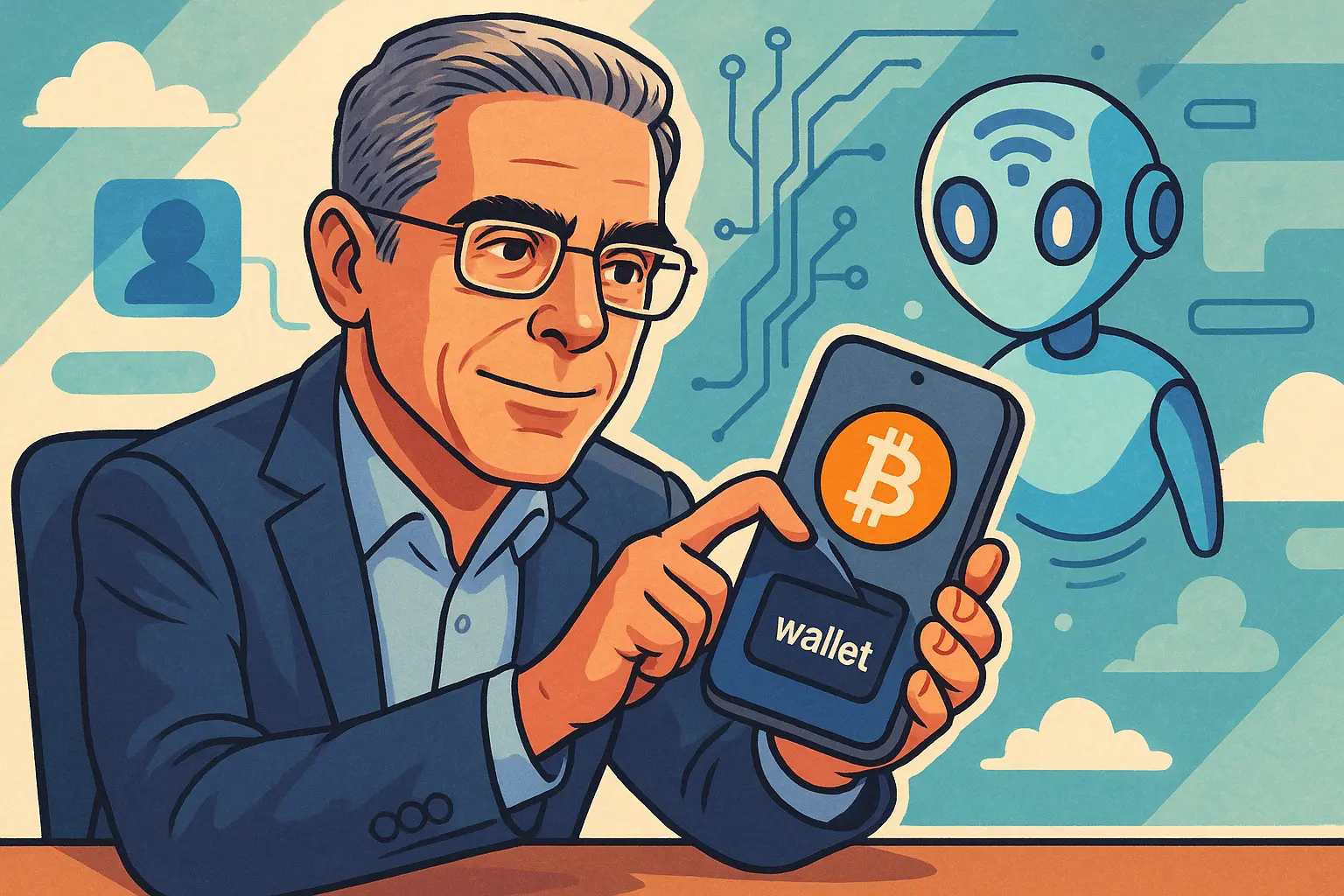
According to Bitcoin Magazine, Lightspark CEO and former PayPal president David Marcus launched a new type of Bitcoin wallet on April 28 that allows AI agents to buy Bitcoin and perform funds send/receive operations. Marcus confirmed that Lightspark’s Grid Global Accounts has officially gone live.
Grid Global Accounts product features and business logic
According to Lightspark’s April 28 product announcement, Grid Global Accounts allows enterprise platforms to offer branded U.S. dollar accounts to users, covering balance management, yield, payments, and card features. Settlement is handled in the back end by Bitcoin and stablecoins and does not rely on traditional sponsor banking subsidiary ledgers.
In the announcement, Marcus said that under a traditional BaaS architecture, while a platform builds relationships with users, it passes fees and data to intermediary institutions with every movement of funds. Under the Grid Global Accounts architecture, the platform can keep revenues, interchange fees, and foreign-exchange profits, and gain full transaction information.
Technical architecture, regulatory framework, and competitive landscape
According to Lightspark’s official announcement, Grid Global Accounts is built on Lightspark’s Grid network and Spark. Spark is a Bitcoin Layer 2 network that supports stablecoin issuance and low-cost transactions and is compatible with Lightning. Lightspark has integrated real-time domestic payment systems in more than 65 countries and regions, and, together with Cross River Bank, supports 24/7 fiat settlement through RTP, FedNow, and multi-rail infrastructure.
According to the announcement, the regulatory backdrop for this release involves the U.S. GENIUS Act and the EU’s Markets in Crypto-Assets (MiCA). These two regulations provide, respectively, a federal framework for payment stablecoins and issuance and reserve rules at the EU level.
FintechBrainfood founder Simon Taylor noted in public comments that Grid Global Accounts’ direct competitors include stablecoin-native banking platforms such as Bridge, Agora, and Bastion under Stripe, which focus respectively on white-label stablecoin issuance, enterprise-grade infrastructure, or stablecoin payment and settlement services.
David Marcus’s Libra/Diem history
According to Bitcoin Magazine reporting and public documents, before founding Lightspark, Marcus previously served as president of PayPal and also as the person in charge of the Libra project at Meta (formerly Facebook). In 2019, Facebook announced it would launch Libra, planning to issue a global stablecoin supported by a basket of currencies. But due to strong opposition from U.S. and European regulators, major supporters including Visa, Mastercard, and PayPal subsequently exited one after another. After the project was renamed Diem, it still did not receive regulatory approval. In early 2022, the Diem Association sold its intellectual property and assets to Silvergate Capital for about $182 million; Meta then officially shut down the related project.
Frequently asked questions
When was Lightspark Grid Global Accounts officially announced? What is the source of the release?
According to a Bitcoin Magazine report dated April 29, 2026, David Marcus released a product announcement on April 28 (Tuesday), and Lightspark Grid Global Accounts was officially announced as live.
What are the main functions and technical architecture of Grid Global Accounts?
According to Lightspark’s official announcement, the platform supports branded U.S. dollar accounts, yield, payments, and card features. It is built on the Grid network and the Bitcoin Layer 2 network Spark, integrated with real-time payment systems in more than 65 countries, and supports 24/7 fiat settlement through RTP and FedNow.
Who are the main competitors of Grid Global Accounts?
According to public comments by FintechBrainfood founder Simon Taylor, major competitors include stablecoin-native banking platforms such as Bridge, Agora, and Bastion under Stripe.
Disclaimer: The information on this page may come from third parties and does not represent the views or opinions of Gate. The content displayed on this page is for reference only and does not constitute any financial, investment, or legal advice. Gate does not guarantee the accuracy or completeness of the information and shall not be liable for any losses arising from the use of this information. Virtual asset investments carry high risks and are subject to significant price volatility. You may lose all of your invested principal. Please fully understand the relevant risks and make prudent decisions based on your own financial situation and risk tolerance. For details, please refer to
Disclaimer.
Related Articles
Global Accounts on the Bitcoin Network: Grid integrates 65 fiat currencies and cryptocurrencies, enabling AI to automatically make payments
Grid Global Account integrates fiat currency, stablecoins, and Bitcoin into a single wallet, and uses AI agents to help manage and make payments, enabling a new model for cross-border transactions. Through a global payment network covered by Visa, it supports multi-currency exchange and instant transfers; businesses can use stablecoins/fiat as the underlying cash flow to maintain decentralization and neutrality.
ChainNewsAbmedia14m ago
Tropykus Agreement announces closure; users must complete withdrawals and repayments by July 27
Bitcoin lending agreement Tropykus published an official announcement on the X platform on April 29, announcing the start of a phased shutdown process for the current version of the agreement. According to the announcement, front-end support will be terminated on July 27, 2026, and users must complete loan repayment and withdraw funds via tropykus.com before this date; the announcement also confirmed that the smart contract withdrawal feature has been enabled, while deposit and new loan functions have been permanently paused.
MarketWhisper40m ago
Strategy Proposes Increasing STRC Dividend Payment Frequency to Bi-Monthly
Gate News message, April 29 — Strategy has proposed changing its STRC dividend payment frequency from monthly to bi-monthly. Shareholders are now able to vote on the amendment.
GateNews50m ago
Ostium Upgrades Backend, Adds Institutional Liquidity Partners Including Jump
Onchain perpetuals exchange Ostium unveiled a major backend infrastructure overhaul on Tuesday, according to the team's announcement. The upgrade introduces a new real-time decentralized execution layer featuring onchain liquidity pools with offchain hedging, and brings institutional participants in
CryptoFrontier1h ago
Pi Network: 1 Million KYC Users Complete 526 Million AI Verification Tasks
According to an article published on April 28 on the official Pi Network website, Pi Network announced that its decentralized workforce infrastructure has been completed by more than 1 million KYC identity-verified users with over 526 million verification tasks. The tasks are part of Pi’s native KYC system, and contributors are compensated with Pi tokens.
MarketWhisper2h ago
Bitcoin Lending Protocol Tropykus Shuts Down, Deposits and Borrowing Functions to Cease on July 27
Gate News message, April 29 — Bitcoin lending protocol Tropykus announced a phased shutdown of its current version, with deposit and borrowing functions to be permanently discontinued. Users can withdraw funds and repay loans until July 27, 2026, after which interactions will only be supported
GateNews2h ago


